

10 Years, Young Exhibition
2026.05.01 - 6.14
Curator: Xiao Ran
Xu Qinsong Art Space, Guangzhou
Exhibition Foreword
Curator: Xiao Ran
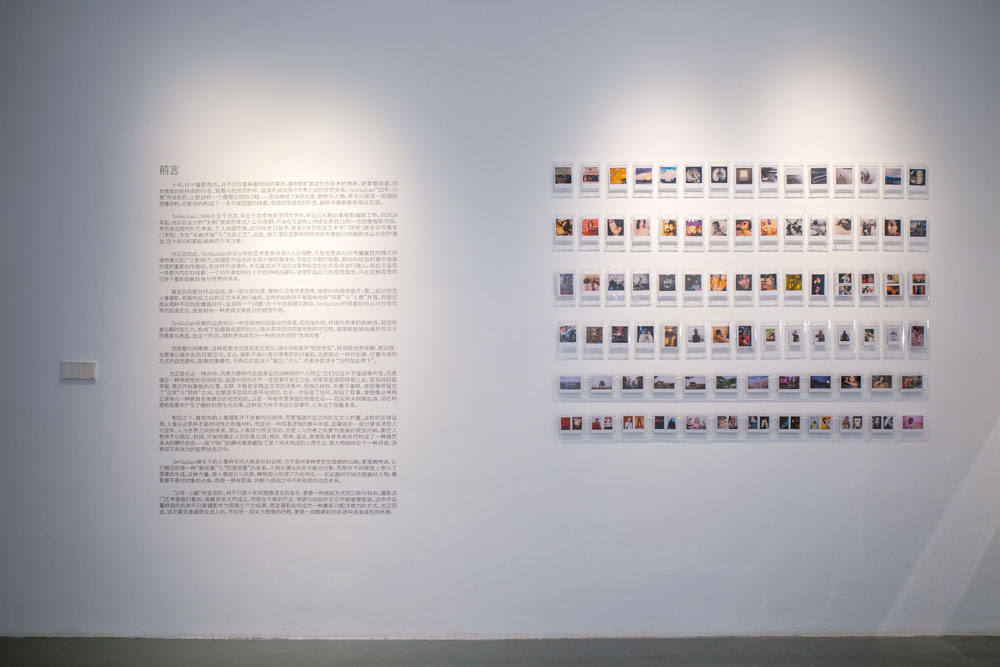
Ten years, in the context of photography, does not merely signify the accumulation of time, the expansion of subject matter, or the refinement of creative technique. More importantly, it marks the way in which an artist, through continuous movement, observation, and the sedimentation of experience, gradually forms a visual relationship between the self and the world.
TenGuSan’s 10 Years · Young Exhibition presents precisely such a slow process of formation: the landscapes, still lifes, and figures captured in these images are not simply visual records from particular stages, but together constitute a line that can be looked back upon, allowing the formation, deviation, and renewed focus of his visual intuition to emerge.
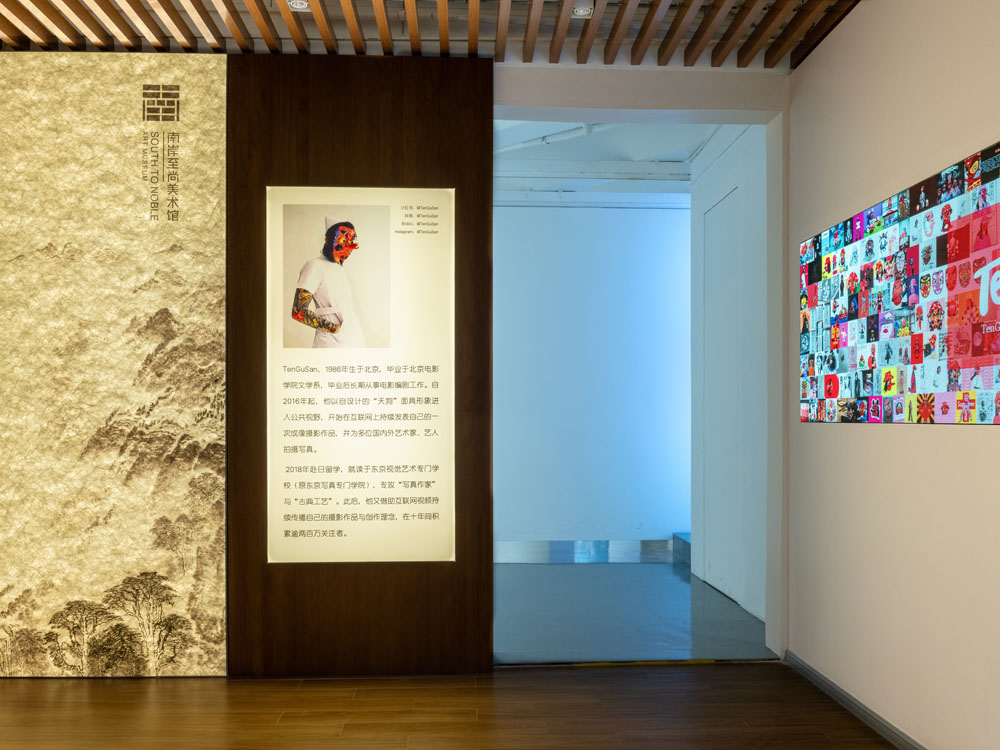
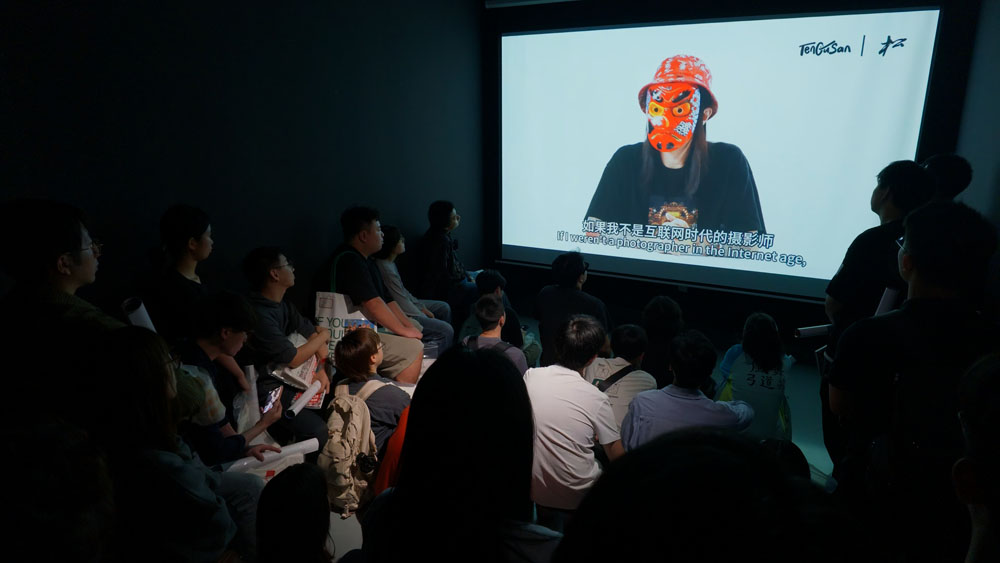
TenGuSan was born in Beijing in 1986 and graduated from the Department of Literature at Beijing Film Academy. After graduation, he worked for many years as a screenwriter. In 2016, he entered the public sphere through the self-designed persona of the “Tengu” mask, began continuously publishing his instant photography works online, and photographed portraits for numerous artists and performers in China and abroad.
In 2018, he moved to Japan to study at Tokyo Visual Arts, formerly Tokyo College of Photography, where he specialized in “Photography as Artistic Practice” and “Classical Photographic Processes.” Since then, he has continued to circulate his photographic works and creative ideas through online video, gradually building a substantial following over the course of a decade.
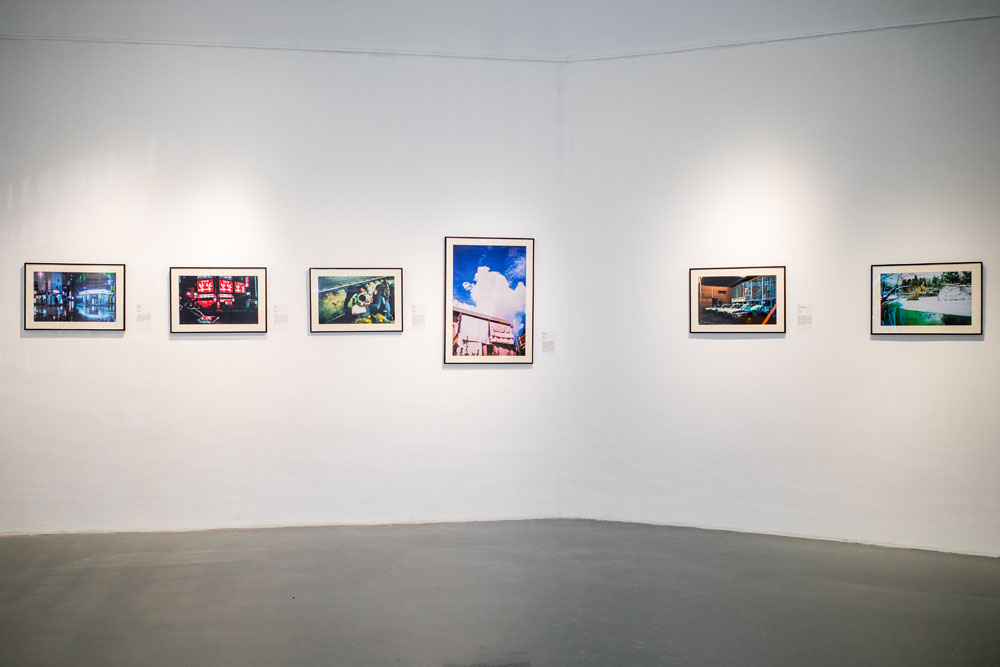
For this reason, TenGuSan did not enter public visibility through the conventional identity of an artist, but rather established a broad influence within a media environment defined by public circulation. His photographic works, however, should not be understood as an accessory to an external identity. Instead, they constitute an essential creative path gradually formed through sustained acts of looking, movement, and accumulated experience.
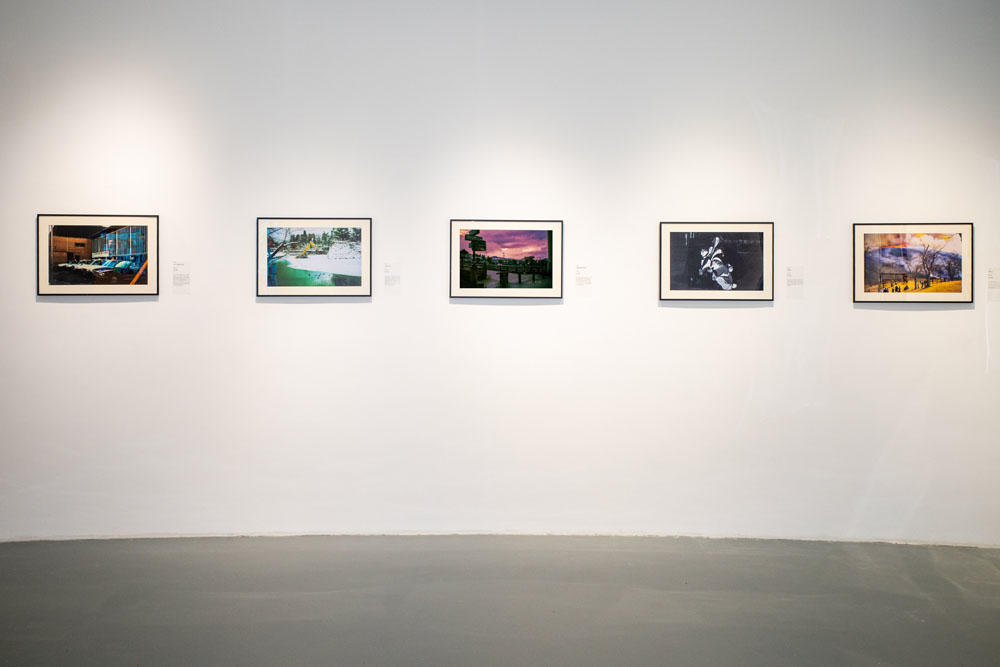
Within this context, the exhibition does not seek to confirm any fixed creative identity. Rather, it aims to present a more internal thread: how, through ten years of continuous photographing, an artist gradually forms his own visual intuition, and how, guided by that intuition, he comes to reconsider the relationship between himself and the world.
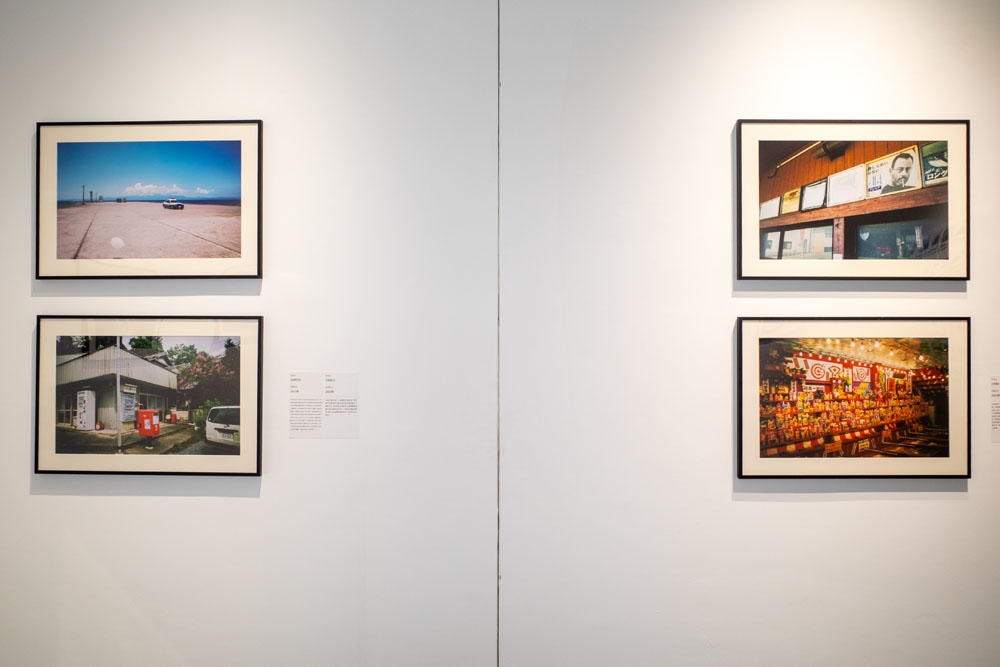
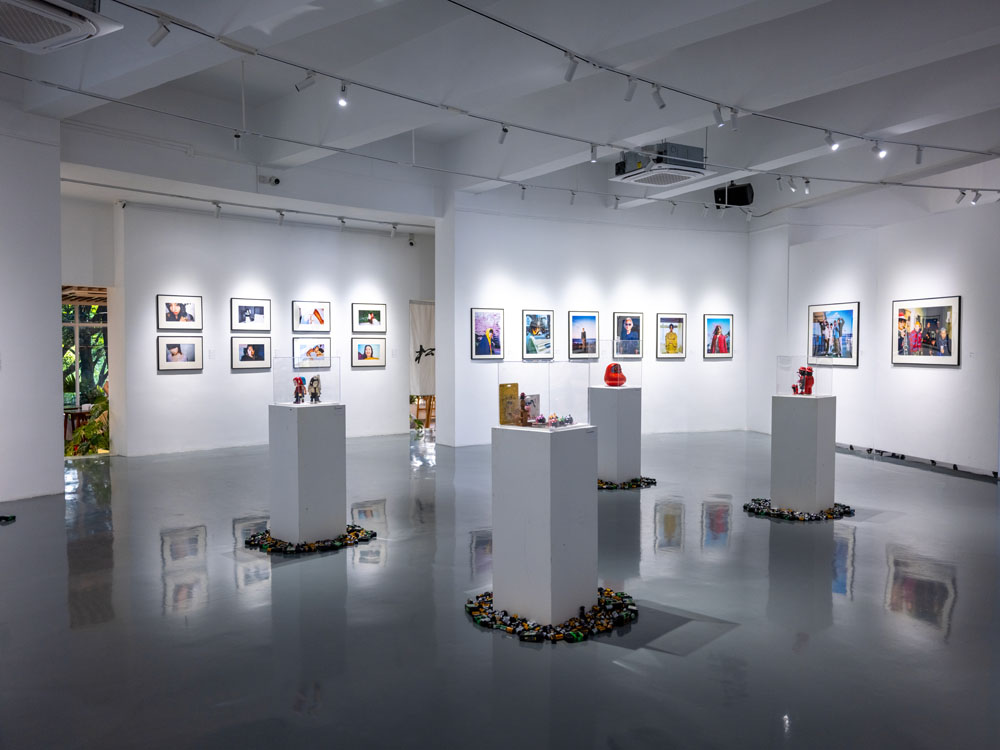
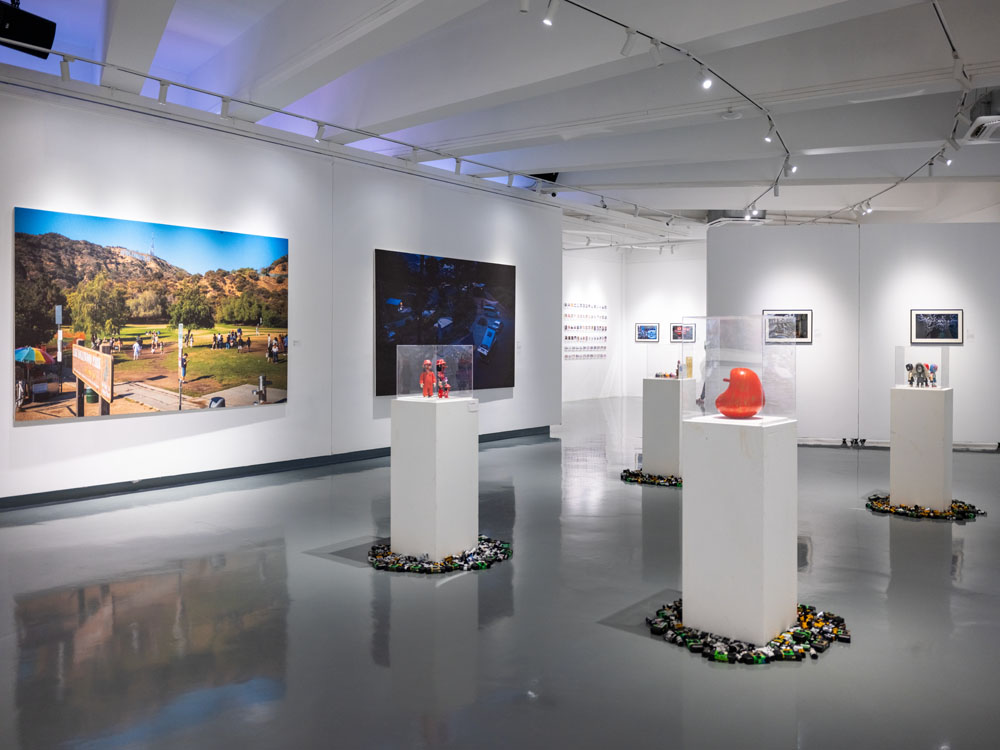
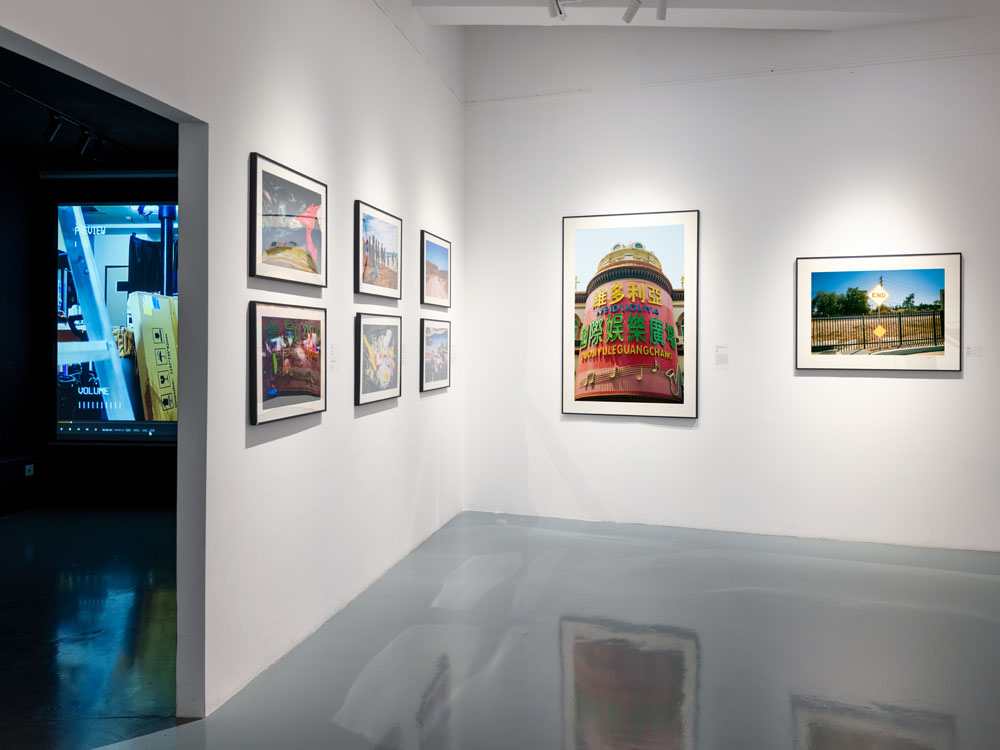
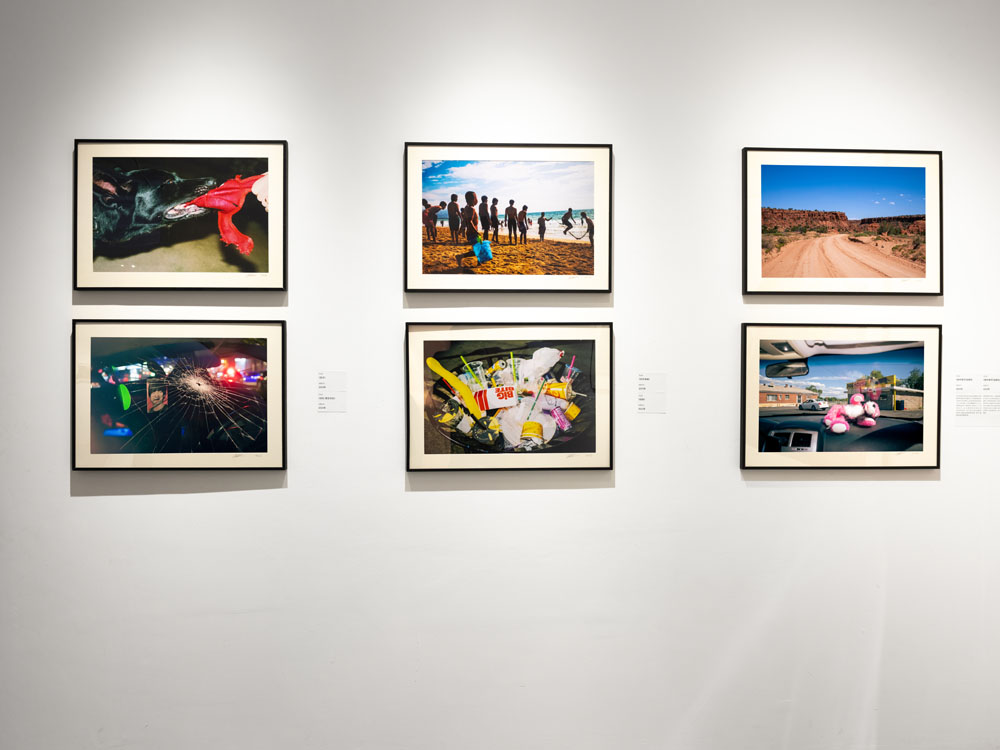
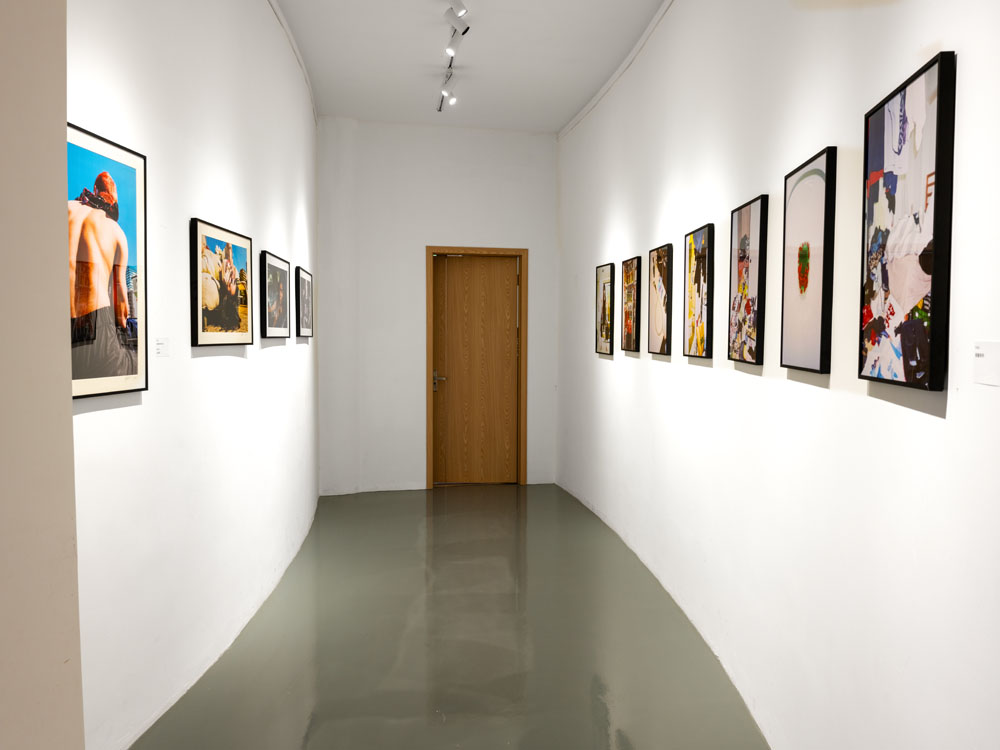
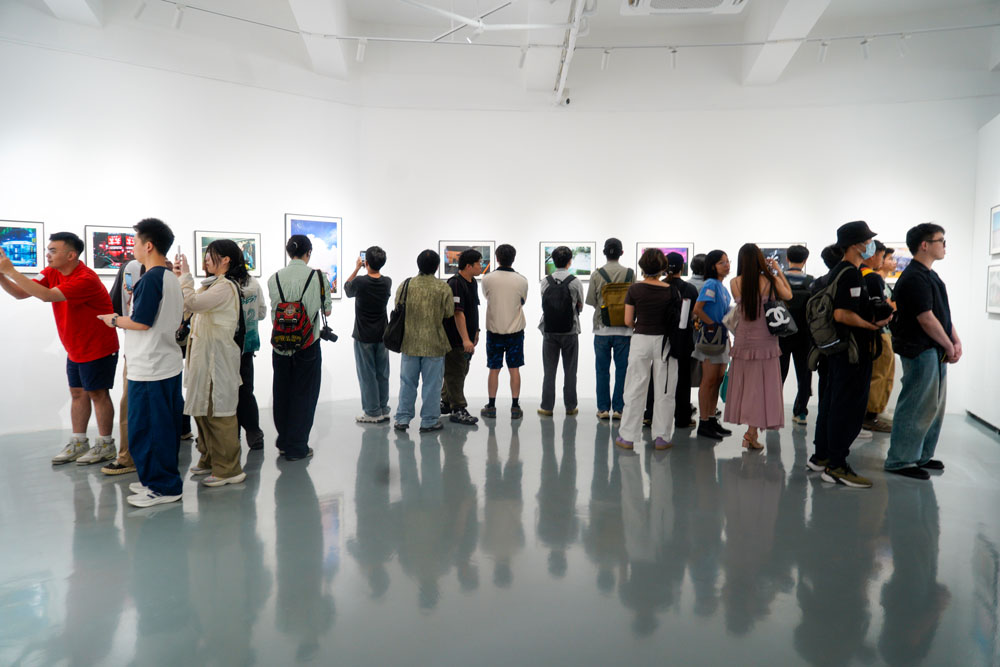
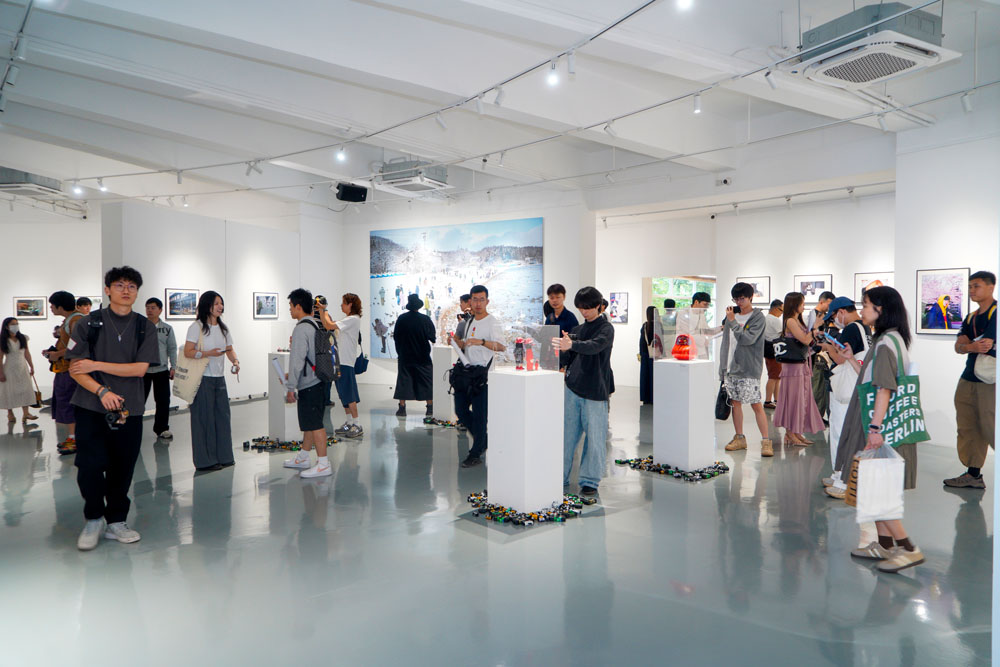
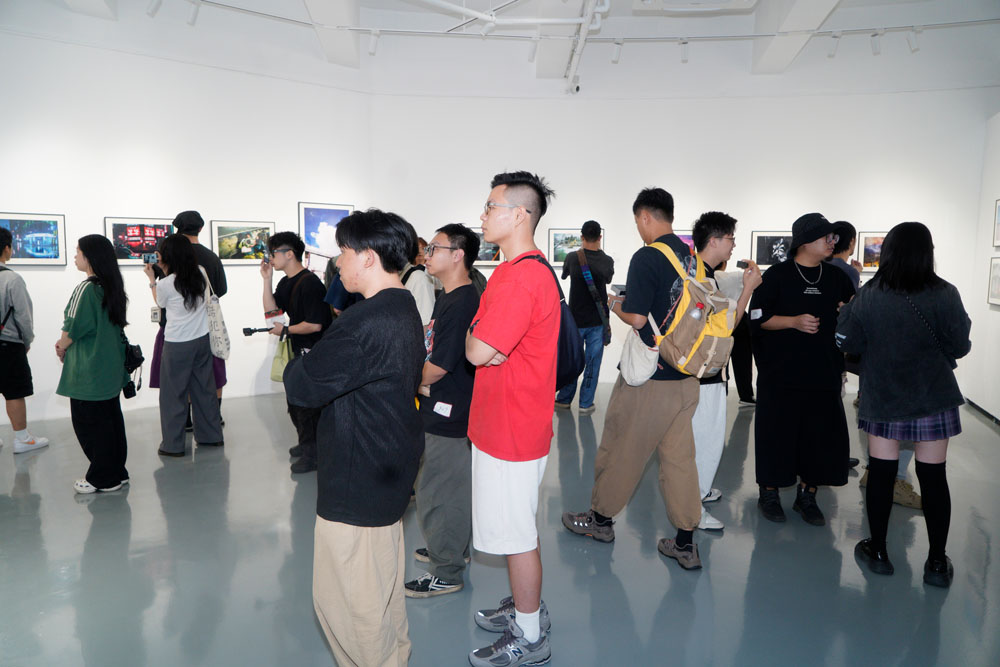
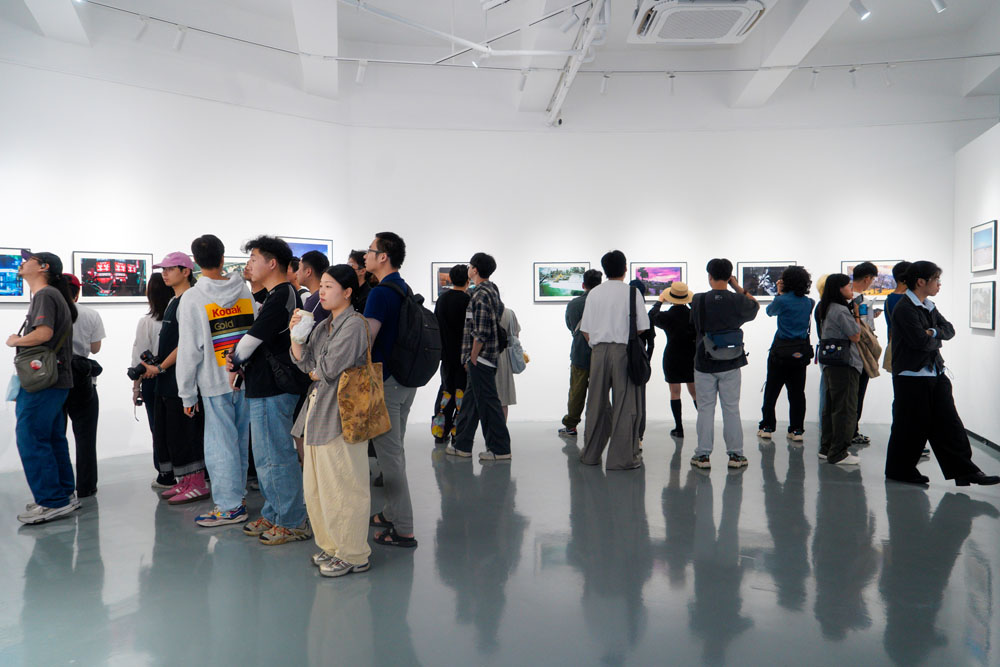
The exhibition consists of two parts. The first presents images of landscapes, still lifes, and everyday scenes arranged chronologically; the second focuses on portrait photography, organized according to the intertextual relationships between the works. This structure is not a simple juxtaposition of “landscape” and “portrait.” Instead, it seeks to address the same question through two different image-making paths: over the course of ten years of photographic practice, how has TenGuSan’s way of looking shifted from an immediate response to the external world toward a more self-aware form of visual judgment?
TenGuSan’s early works are closer to a mode of looking driven by the experience of being elsewhere. Upon first arriving abroad, the freshness, visual stimulation, and immediate attraction brought by unfamiliar surroundings formed the most direct impulse for photographing. The camera first responded to the visibility of the world: to those scenes and surfaces capable of quickly capturing the eye. At this stage, photography appeared more as an outward-facing, object-oriented perspective.
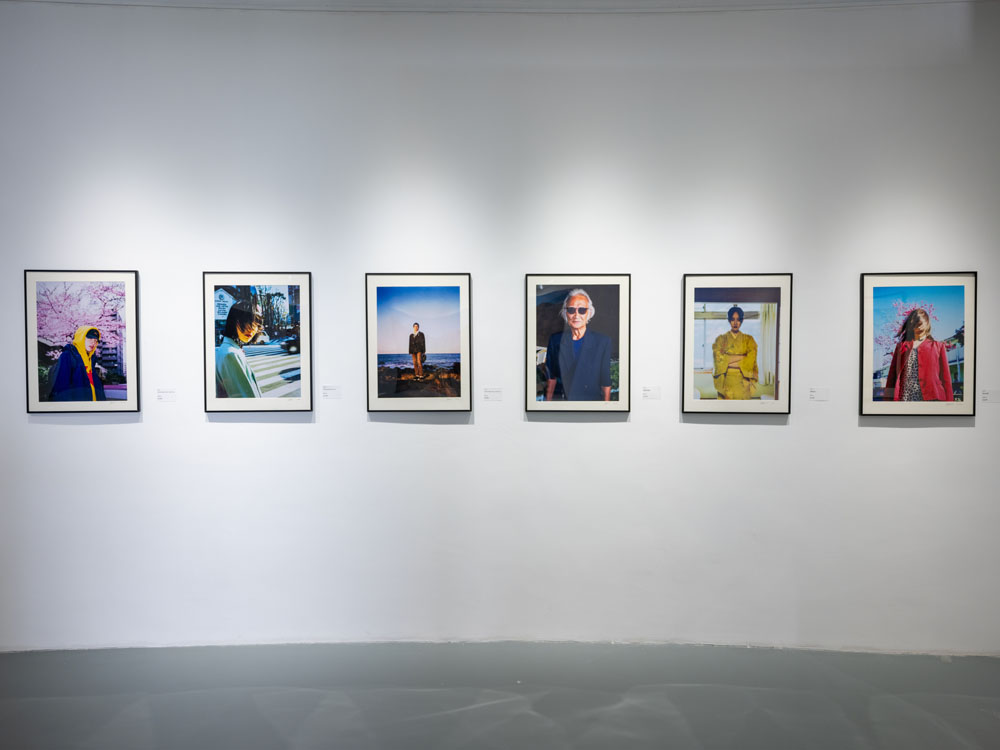
Over time, however, this way of looking gradually began to change. The camera moved away from “visual spectacle” and turned instead toward quieter, more peripheral, and less easily named everyday spaces. At this point, photography was no longer merely the immediate extraction of a scene, but became closer to a conscious construction of distance, position, and perceptual method. The importance of the image no longer depended only on what was seen, but increasingly on why one stopped there.
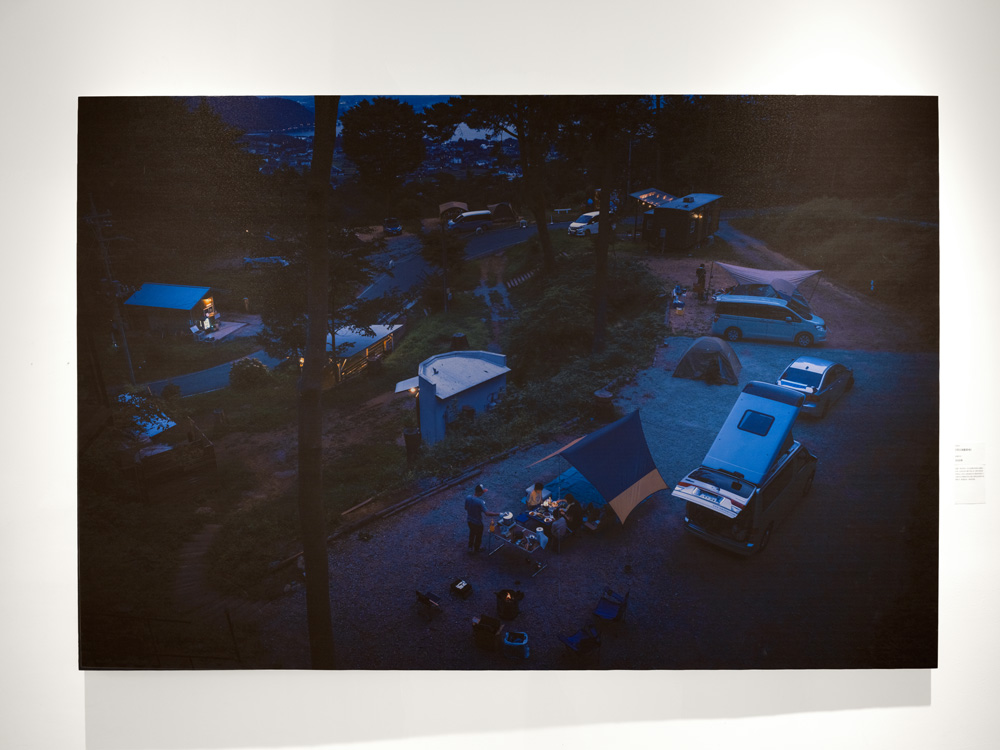
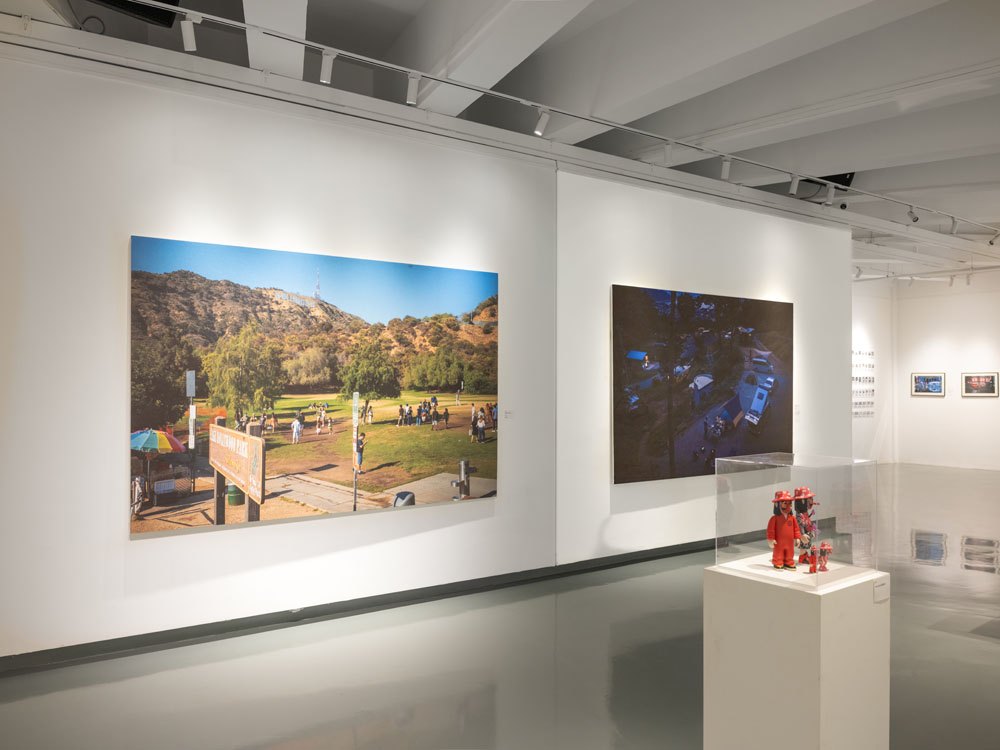
It is within this turn that the landscape and still-life works begin to reveal a distinct personal character. They rarely emphasize eventfulness; rather, they approach a kind of spatial experience defined by pause. The places within these images are not necessarily sites where something happens, but often sites where perception comes to a halt—where the gaze briefly settles and consciousness begins to focus. In these quiet, calm, and at times slightly empty scenes, subtle tilts, imbalances, and displacements suspend the image between the ordinary and the uncanny.
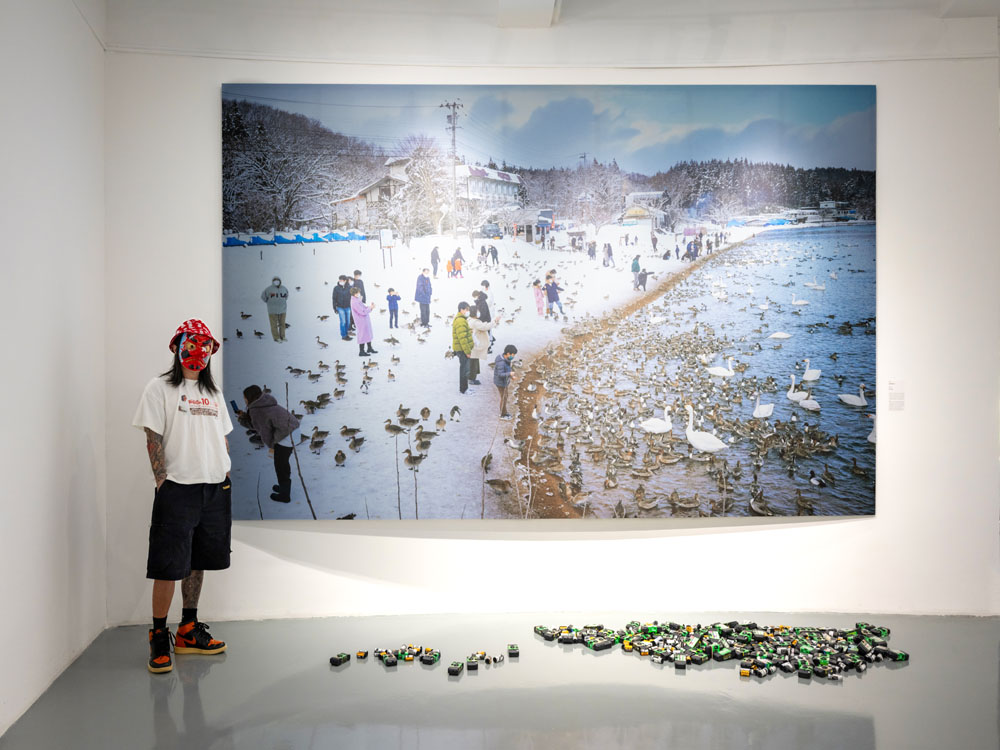
The flattening tendency that gradually appears in later works further compresses space and weakens narrative, shifting the image from simple documentation toward a more self-aware form of visual organization. This is a deliberately retained, minor disturbance: reality has not departed from itself, yet through composition and looking, it acquires a subtle estrangement. This tension does not arise from an external event; it arises from the act of looking itself.
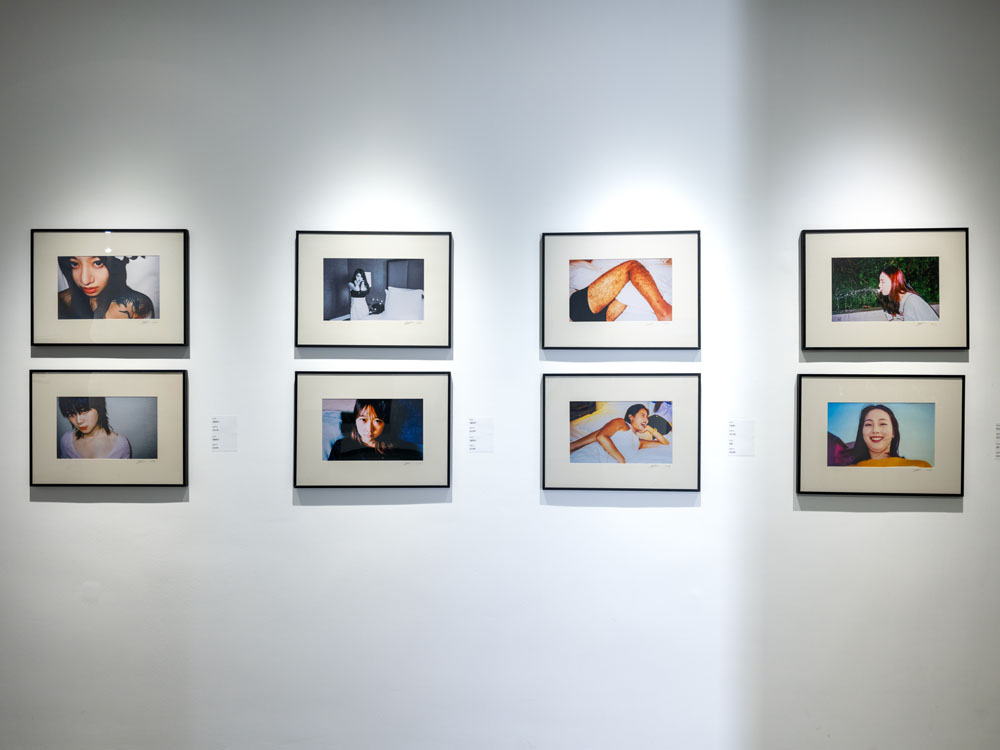
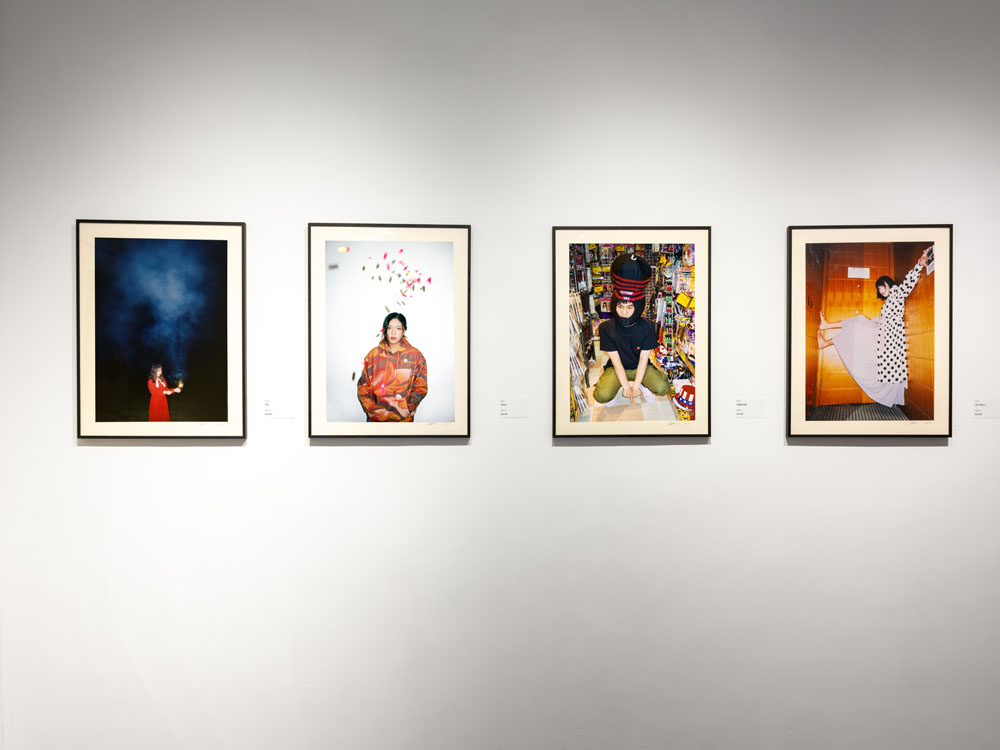
By contrast, the portrait photography in the exhibition does not rely on chronological order, but instead emphasizes intertextuality and juxtaposition among the works. This arrangement suggests that portraiture is not treated here as supplementary material within a timeline, but as the concentrated expression of another logic of looking.
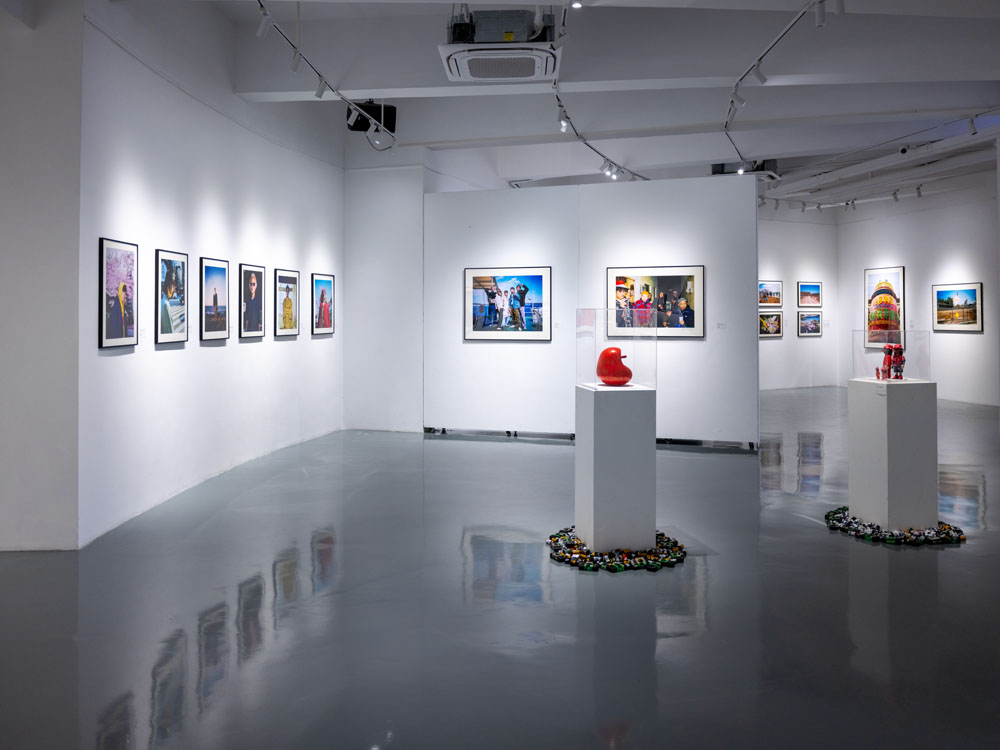
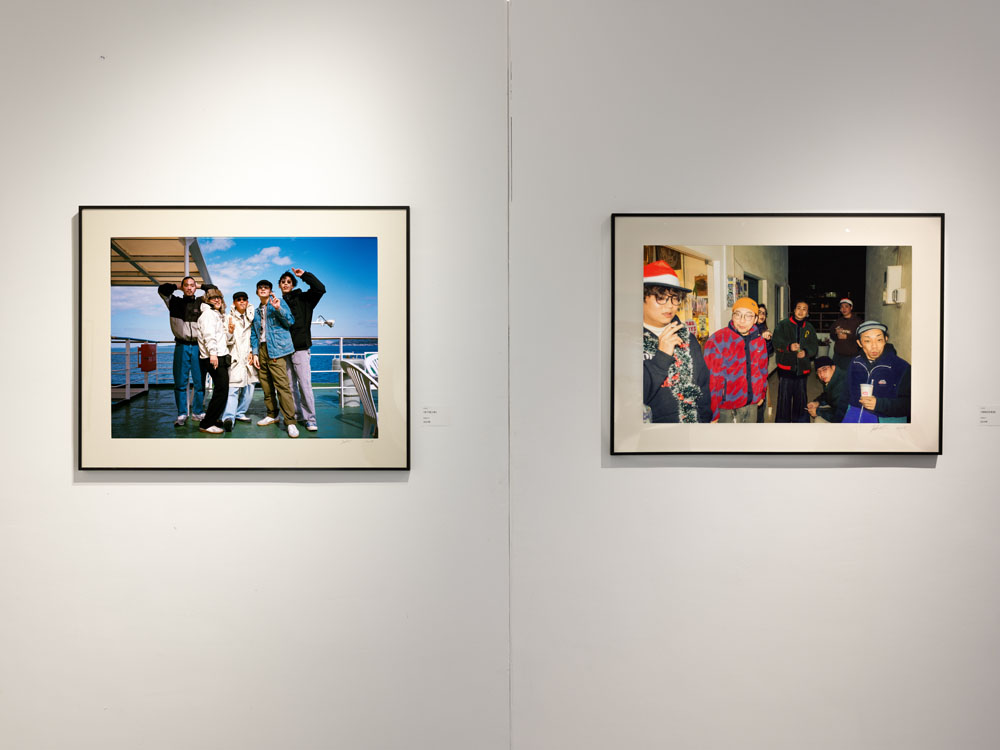
If the first part of the exhibition concerns the relationship between the individual, space, and the world, then the portrait section presents a more direct visual confrontation between the self and the other. The figures do not appear as stable, closed, or clearly definable identities. Rather, their gazes, gestures, expressions, and bodily relations together form an unresolved instant. The moment of exposure seems to capture an unfinished psychological node, leaving the figures suspended in a state of openness, drift, and tension.
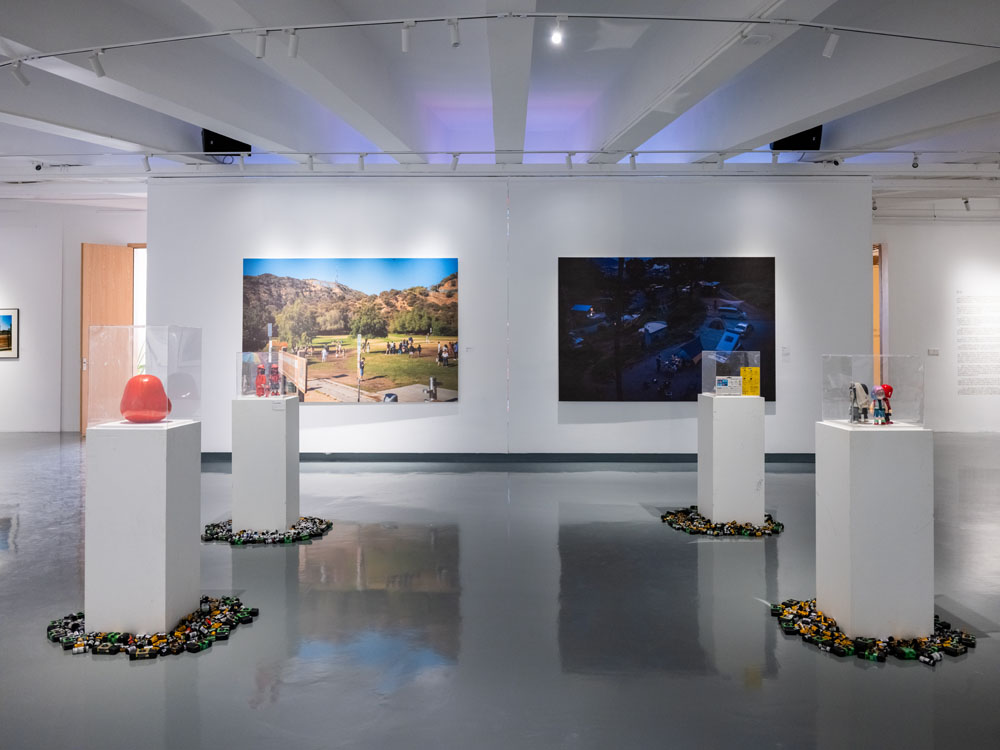
TenGuSan’s portraits do not explain the identities of their subjects, nor do they reduce them to recognizable types. More precisely, they touch upon the relationship between being looked at and looking back. The figures before the camera are not passive objects; to varying degrees, they participate in the formation of the image. This force creates an internal resonance between the portrait section and the landscapes and still lifes. Whether facing space or facing another person, photography is not the possession of its object, but a dynamic relationship continuously formed through distance, judgment, and perception.
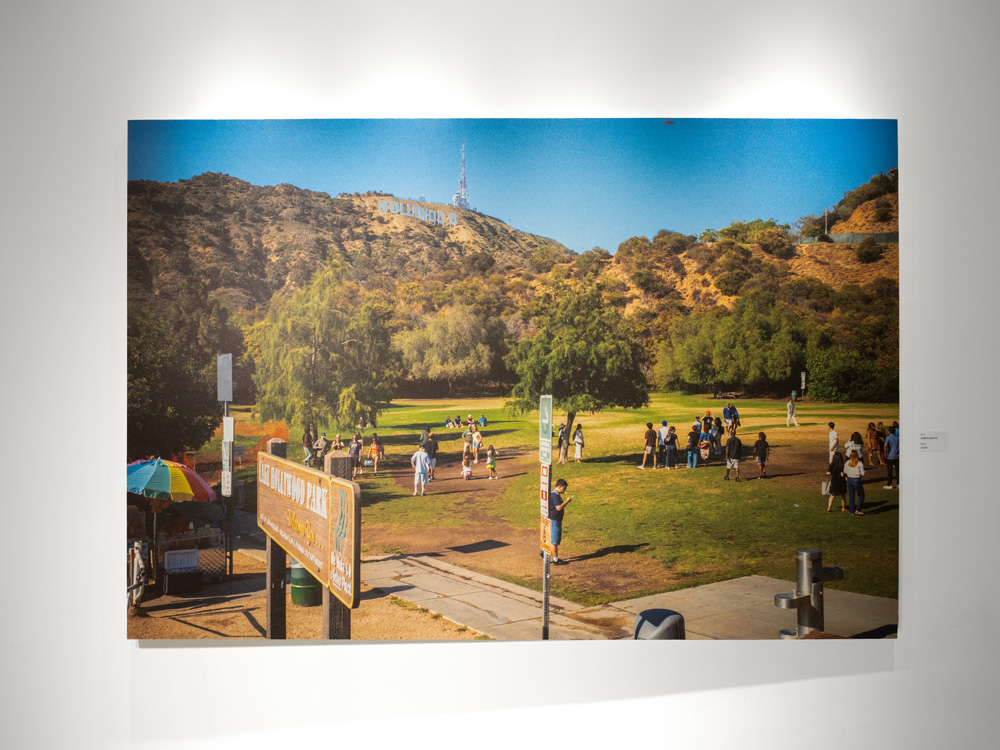
What 10 Years · Young Exhibition presents is not only the transformation of a photographic language over the course of a decade, but also the sedimentation and redirection of a way of perceiving. Photography allows us to see that looking is not something naturally given; it is slowly shaped through walking, pausing, and the interaction of experience. What these works ultimately point to is not only photography as the production of images, but photography as a means of redistributing attention. In this sense, the exhibition invites viewers to enter not merely a journey through images, but a trace of how one pair of eyes gradually came into being along the way.
Phoenix Art in Conversation with TenGuSan
Editor-in-Chief, Phoenix Art, Wang Jiabei
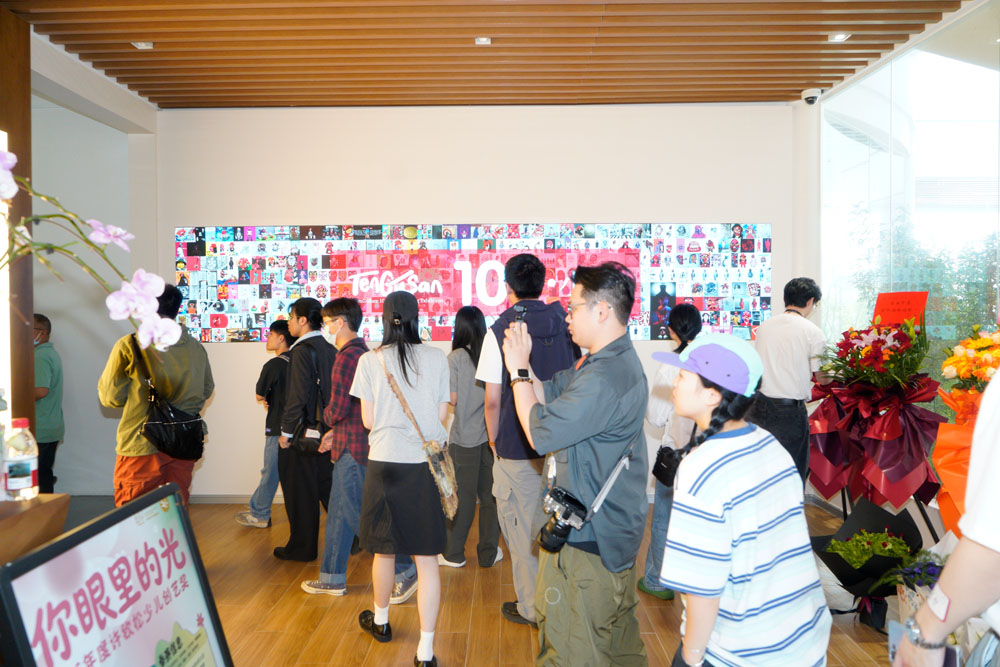
On May 1, 2026, Xu Qinsong Art Space in Guangzhou welcomed a distinctive opening in the realm of image-making: 10 Years · Young Exhibition, the first major solo exhibition by photographer TenGuSan, officially opened to the public. Moving between the street and the darkroom with a mask on his face and a film camera in hand, the artist has spent an entire decade undergoing yet another transformation. Though he describes the exhibition lightly as a “young exhibition,” this presentation is far more than a concentrated display of works. It is also a personal summation of passion, persistence, and self-affirmation.
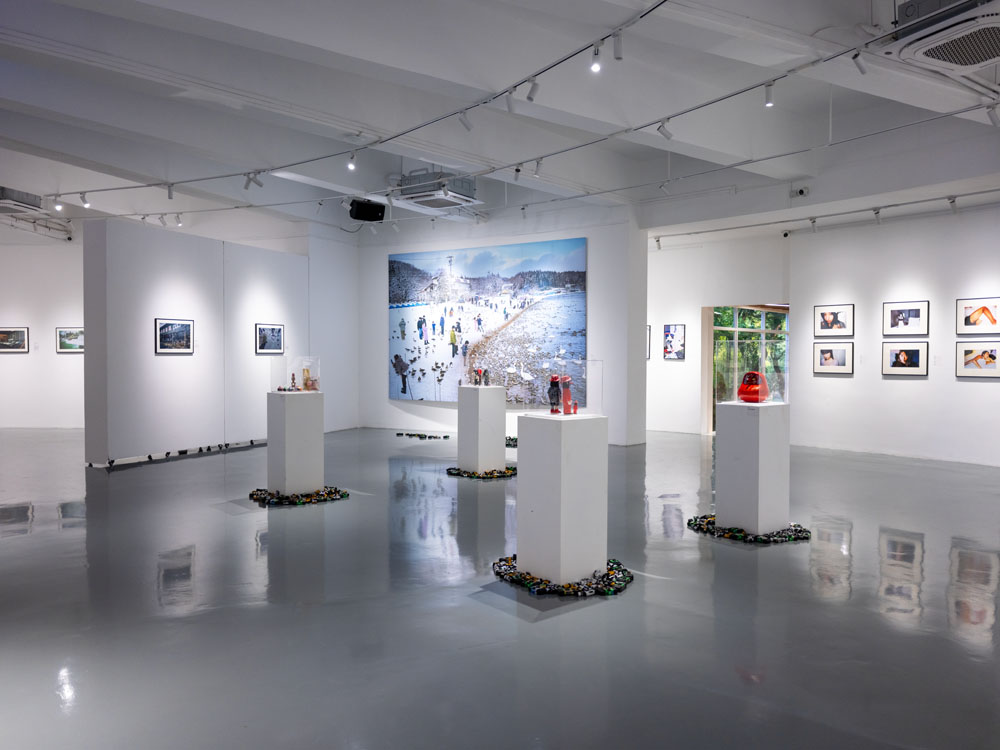
At a time when photography is approaching the two-hundredth anniversary of its invention, TenGuSan’s decade-long practice appears all the more sincere and forceful. He does not chase trends, nor does he attach himself to any established system. Working with Polaroid and film, and taking everyday life and the body as his subjects, he stubbornly preserves photography’s most primal sense of ritual, presence, and irreproducible aura in an age marked by the overproduction of digital images and the increasing prevalence of AI-generated creation.
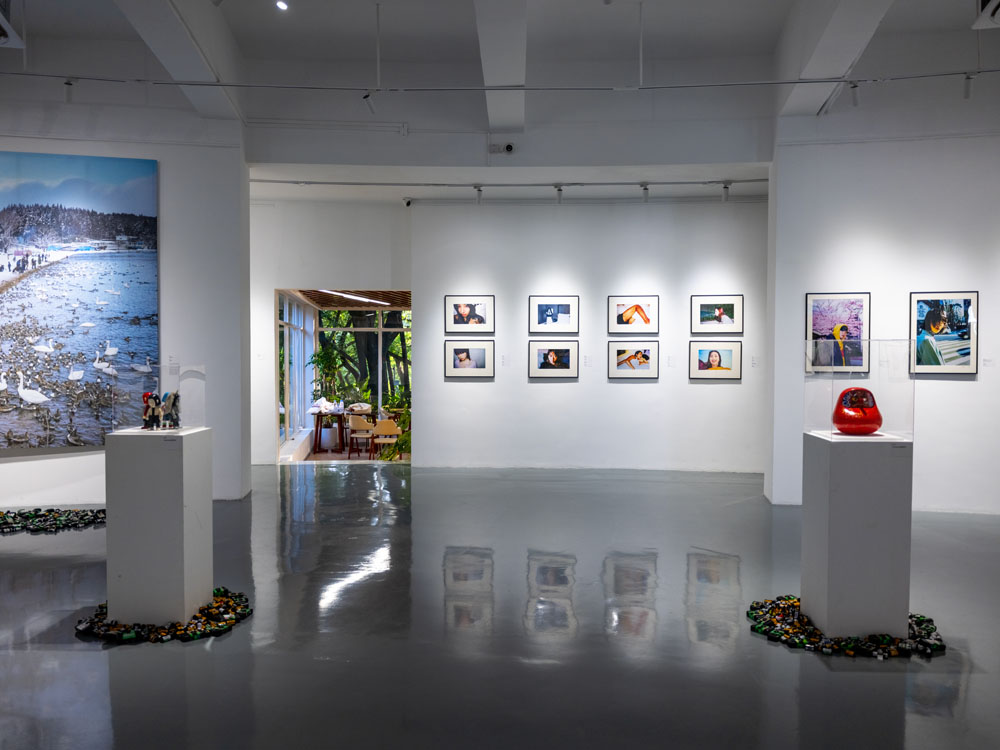
This exhibition not only traces the visual trajectory of his work over the past ten years, but also presents how an artist, moving between the internet age, commercial contexts, and the field of contemporary art, has continued to hold onto himself, grow steadily, and ultimately offer the most complete answer to his first decade in photography through an opening that is at once grand and plainspoken.
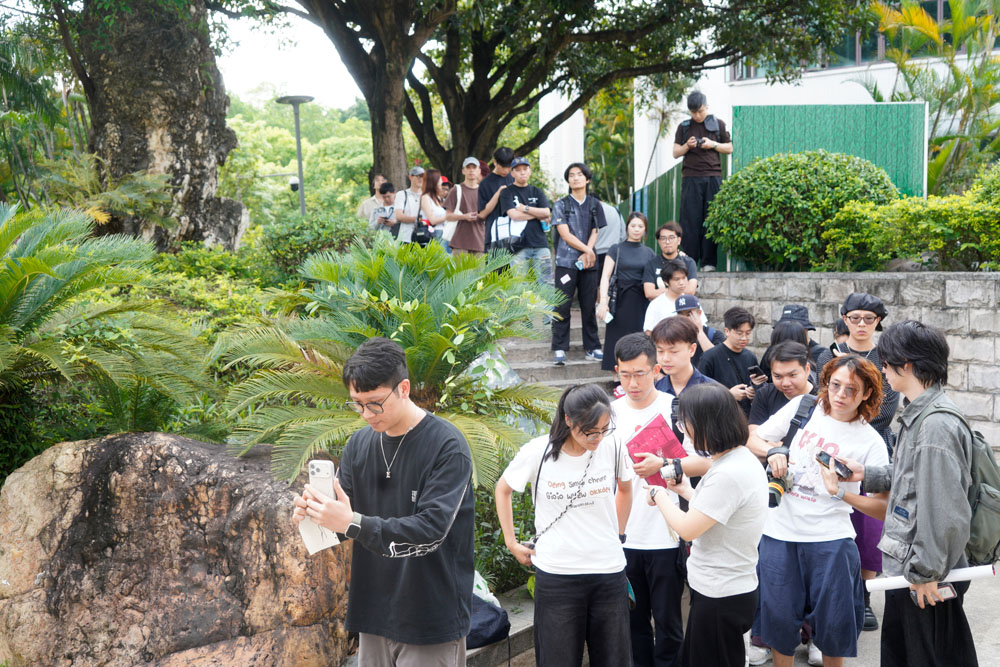
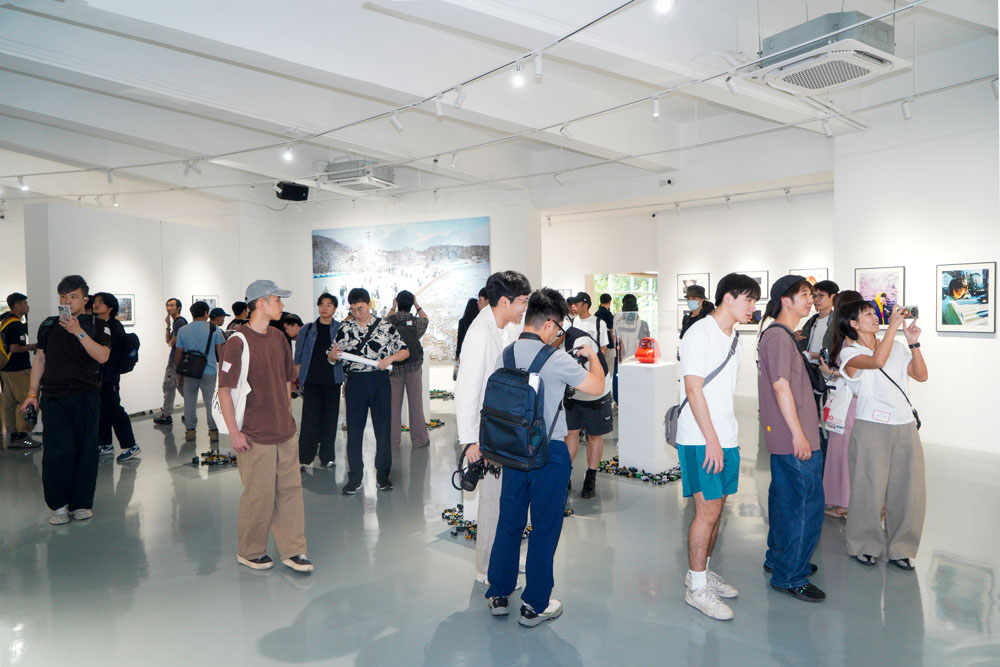
At 3 a.m. on the day of the opening, visitors had already arrived at the venue to wait for admission. In the days leading up to the exhibition, we also conducted an in-depth conversation with the photographer. The following is the full interview.
Q:What equipment do you primarily use for shooting now, and why?
T: At the moment, I mainly shoot with several 35mm film cameras and Polaroid cameras. Occasionally, I also use a Mamiya medium-format film camera and a Ricoh GR III.
If I had to explain why, I would say it is simply because I have become used to them. I grew up in the era of film. Whether during my years at Beijing Film Academy or later at photography school in Japan, the system I was exposed to was always rooted in film and the darkroom.
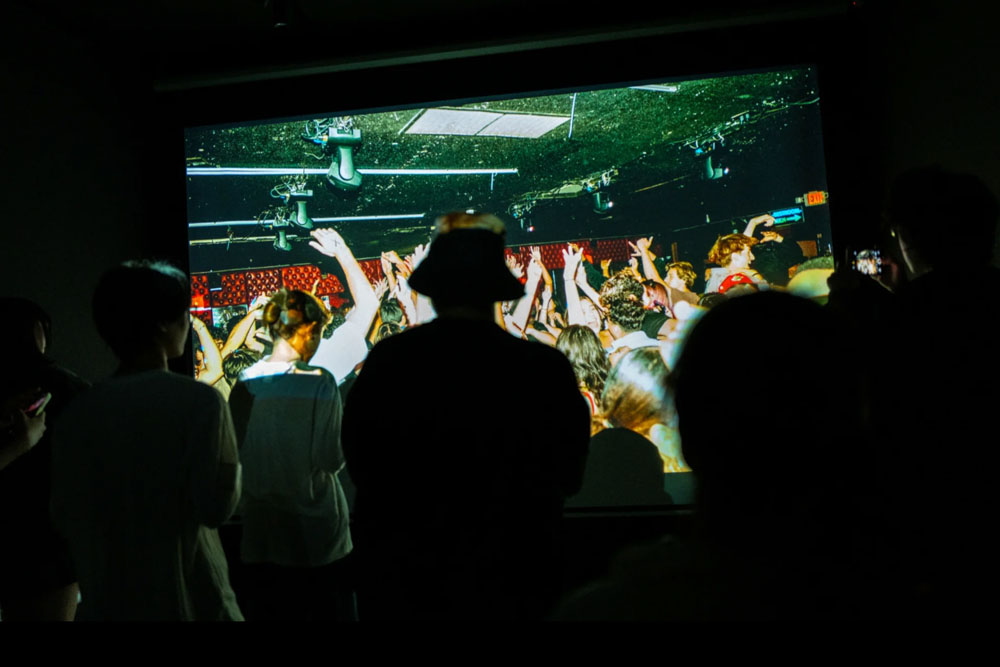
Q. Aside from photography, what do you enjoy doing in your everyday life?
TenGuSan: Apart from photography, making videos for social media and running my clothing brand are the other two things I have to do. If you ask me what I enjoy doing, I don’t think there is anything particularly special. I’m probably the same as everyone else: traveling, watching films, eating and drinking.
Because all of my work happens to be built around things I like, I already feel very fortunate. So I haven’t really developed any especially distinctive hobbies. If there is anything slightly particular, it would probably be toys. Of course, I also design toys myself.
Oh, and I don’t really play video games. I’ve never been very good at them since I was a child. I don’t like climbing mountains either—I prefer going downhill. In general, I’m not very interested in things that waste physical energy.
Q:In terms of both scale and content, 10 Years · Young Exhibition is a substantial presentation. As your largest solo exhibition to date after ten years in the field, how do you see the transition from the creative logic of individual works into a curatorial logic? And what was your collaboration with the curator like?
T: I think the most ambiguous boundary in curating is this: should an exhibition be guided by the artist, or by the curator’s own will? And what should the proportion between the two be? To be honest, I have never been entirely sure how this works in other art exhibitions.
But for me personally, I approached it with openness and respect for the curator’s work. The basic logic was quite simple: Ms. Xiao Ran, the curator, wanted to organize an exhibition for me, and I accepted. Then I handed over a large body of works from the past years to her and let her look through them first.
I only said two things to her in English: “Don’t think. Feel.”—Bruce Lee’s famous line—and “Follow your heart.” She is both the curator and a viewer, so I wanted her first to look at my works through her own subjective intuition.
As for the curatorial logic that followed, she simply presented me with the final result for confirmation. I remember only making one or two small suggestions about the order of the photographs; otherwise, I had no objections. So in essence, I followed the curator’s will. I trusted that she had her own feelings and her own logic, and I did not want to interfere with her work or her creation.
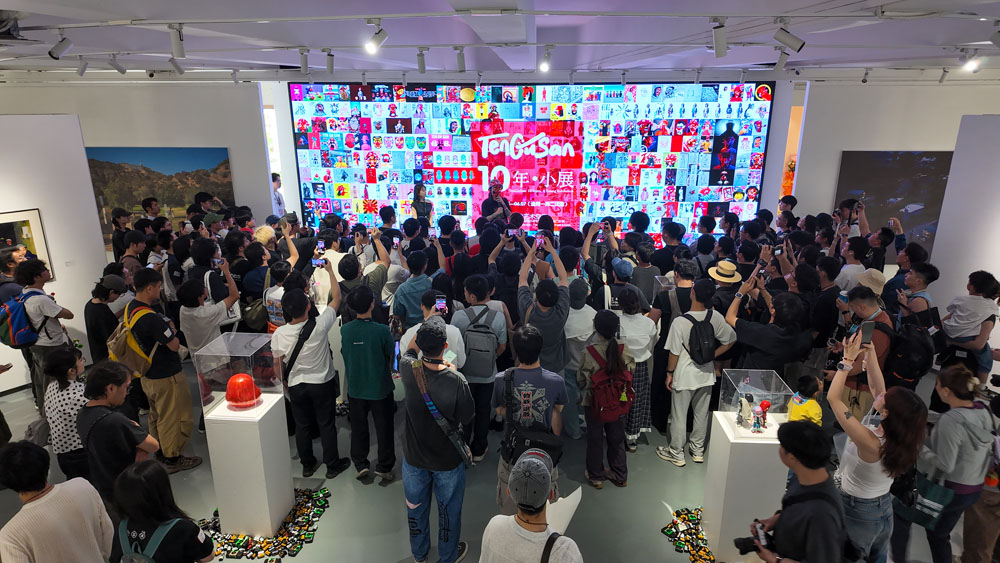
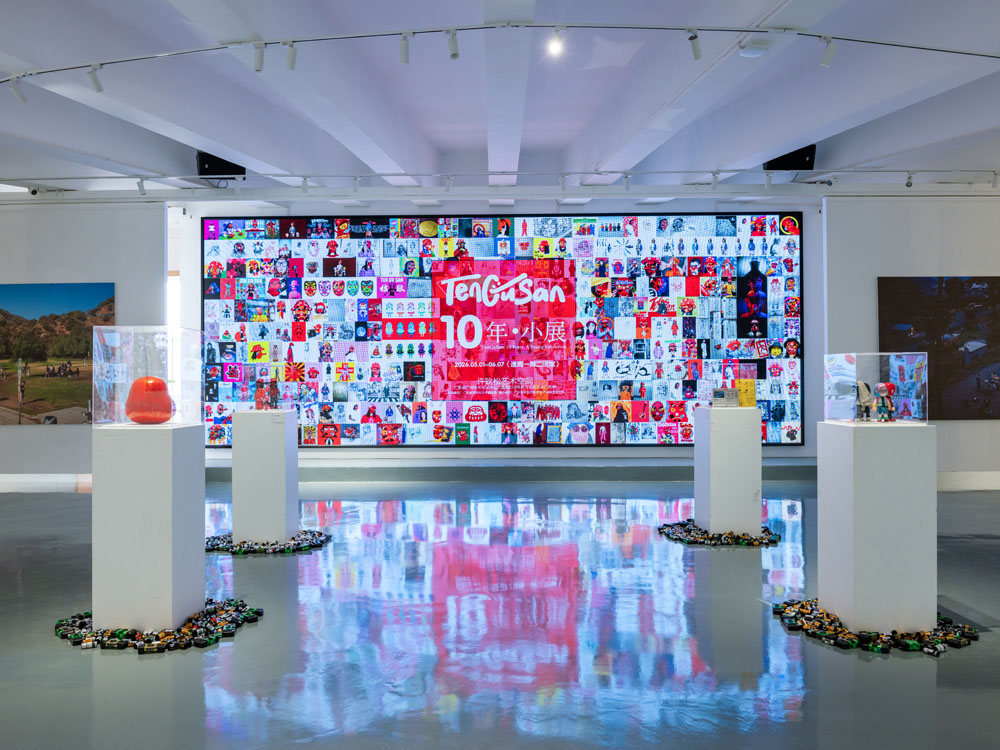
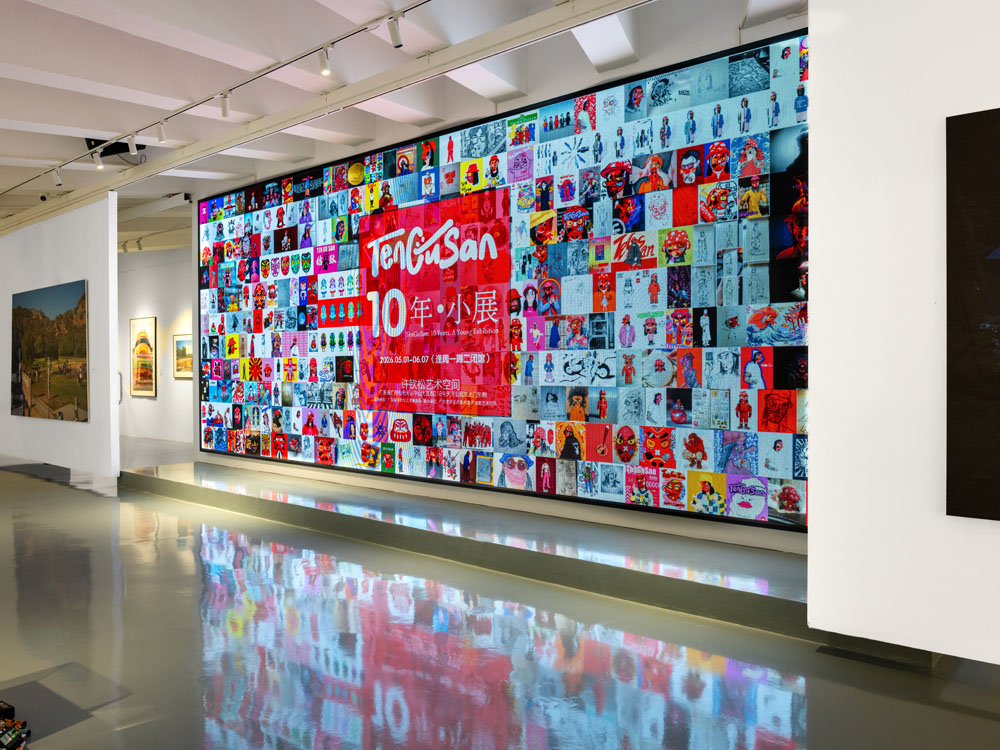
Q. How was the content on the large screen in the exhibition hall selected?
TenGuSan: Are you referring to the exhibition poster? That was made up of works created by some of my viewers over the years—drawings they made for me, handmade objects, and things like that. I have been collecting them for many years, always hoping that one day they might be useful. And in the end, they really were.
Speaking of this, I still want to say that I am a very happy and fortunate person. At least on the level of being an artist, I feel extremely lucky and blessed. Compared with many artists, I have received more attention and more affection from people.
And because we live in the age of the internet, these voices reach me in a faster and more direct way. Of course, this also brings certain side effects. But ninety percent of it is positive feedback, and for my life as a whole, as well as for my creative career, it has been something very positive.
Q:How did your collaboration with Apple begin? How do you respond to the debate that mobile photography is “too easy”? And in this exhibition, how do the works shot on a phone and those shot with cameras complement and enter into dialogue with one another narratively?
T: The collaboration with Apple goes back to 2021, though I honestly do not remember exactly how I first came into contact with them.
The idea that “mobile photography is too easy” is indeed something I have said myself. But I think I meant it on a physical level: the process of taking out a phone, pressing the shutter, and making a photograph is easier than it has ever been in any previous era. In terms of shooting efficiency and the speed of publishing, the phone completely surpasses professional cameras.
But if we examine it on the level of artistic expression, then it is not easy at all. Once something becomes serious, everything about the result changes.
In this exhibition, the mobile photography works are presented as the final chapter. Among the works I sent to the curator were photographs from my recent collaboration with the iPhone 17 Pro. I felt that, first of all, the image quality was fully sufficient for them to appear in an exhibition—at least at that output size, they were in no way inferior.
Beyond that, I believe mobile photography should absolutely not be rejected by professional artists. It is simply another, more lightweight kind of device. In the same way that, in the era of large-format film, Leica invented the portable 35mm camera, and a group of photographers using these smaller cameras later opened up new photographic styles and a new era, technological progress has, to some extent, pushed the development of art forward.
So in this exhibition, these mobile photographs reflect the diversity of photographic devices.
Q: In the future, will you continue wearing the mask? Do you ever feel that it has become a form of self-repetition, or even a kind of constraint?
T: The artistic persona of TenGuSan means that I will continue wearing the mask. It is a bit like Tony Stark: without the armor, he is a businessman; once he puts on the armor, he becomes Iron Man. Or take Takeshi Kitano. He uses the name Takeshi Kitano when he works as a director, but when he appears as an actor or television personality, he uses another name: Beat Takeshi.
I definitely do not feel that it is repetitive or restrictive. In fact, I think repetition is necessary. An artist should have a complete system, from the works to the figure of the artist himself. Andy Warhol and Takashi Murakami, for example, both continued to repeat certain visual symbols of their own. It is precisely because I have repeated this image for ten years that I have arrived at where I am today. So of course I will continue repeating it. After all, no one can see my face, and I will always be young.
By the way, I also think that before I become too deeply involved in the contemporary art industry, the fact that I can still create freely, without being constrained and without repeating myself too much, is one of the luckiest things about this moment. But as for the visual appearance of the persona, that absolutely has to be repeated.
Q:From screenwriting to photography, how has your narrative thinking migrated into your image-making practice?
T: I especially enjoy, and I think I am quite good at, constructing a sense of story and situation within an image. This has a lot to do with my background in film studies and my training in art.
But I do not construct scenes in the way Gregory Crewdson does—building a set, inviting models to perform, and staging the photograph. Leaving aside whether that would be feasible or whether the cost could be controlled, what I hope for is to encounter and capture that narrative “instant” within reality itself, rather than to manufacture a sense of story.
It is like looking through an old family album. No matter how old those photographs are, I believe the people in them could still talk at length about where the photograph was taken, what was happening at that moment, and even extend many more stories from that single old image. Why is that? Because the photographer captured the narrative quality of that particular instant, and that is why the photograph was kept.
So this is the feeling I want to create: when a stranger looks at my photographs, I hope they can spontaneously begin to compose a story in their own mind. Those stories, of course, are their own versions. They are not the truth. But I hope my photographs can trigger associations, and even stimulate the viewer’s imagination.
Good photography does not only stimulate the eye. It can even activate all five senses. That is the direction I am working toward.
Q:After this exhibition, what new plans do you have in terms of creative direction, medium-based exploration, or academic research? Do you plan to combine photography with more art forms and create more experimental works?
T: In the future, I hope to spend more time experimenting with contemporary art. I hope that when I have my twenty-year exhibition, it will not be only about photography, but will include more types of artistic practice.
I have always liked that old school motto from primary and secondary schools across China in the 1980s: “unity, tension, seriousness, liveliness.” I have even imagined using it as the title of my twenty-year exhibition. Because that exhibition would certainly be filled with contradictions: unified yet tense, serious yet lively, and perhaps even a little neurotic.
But this requires more learning, more time, and more connections. I will keep working in that direction.
Q: Today, people are already beginning to use AI to direct, make films, and create reality from the entirely virtual. In this context, how do you view AI? Would you collaborate with AI?
T: There is one work in this exhibition that involves AI. But long before the arrival of the AI era, I had already begun using CG modeling and rendering techniques to composite images with my photographs, and there is also one work of that kind in this exhibition. AI simply makes the process more convenient and faster. You no longer have to build everything by hand.
I will certainly collaborate with AI in the future, but probably not too much. Up to now, I have only combined AI with my photography at a frequency of one or two works per year, even though I am not a photographic fundamentalist.
But I do want to make one point clear: I believe the word “photography” itself is dynamic. The year 2026 happens to mark two hundred years in the history of photography. In 1826, what we now call photography was invented, but its earliest name was “light drawing.” The word “photography” was not established until nearly ten years later, in 1835, and has been used ever since.
I now notice that many young people also regard Live Photos or animated image formats as photography, while others actively use AI to generate images that imitate photography. I am quite certain that, as time goes on, the form of photography that has relied on optical image-making principles for the past two hundred years will inevitably begin to loosen. The question of “what photography is” will be discussed again—or perhaps it will not even need to be discussed, because new technology will naturally push history forward.
All we need to do is either accept it or reject it. If you ask whether I accept it, and how deeply I accept it, then yes, I definitely accept it. But as for how far that acceptance goes, it depends on whether the technology at that moment can bring about a truly revolutionary redefinition of “photography.” If it is still only old wine in new bottles, or just minor repairs and superficial adjustments, then I would rather continue carrying a traditional camera, wandering around, and pressing the shutter.