

Danmaku
2022.9.23 - 9.30
Curator: Josh Wong
Black Pearls Gallery, Tokyo, Japan

From 2019 to 2022, I worked as a video creator on Bilibili, a Chinese video-sharing platform. In my videos, I shared my photographic works and the insights I gained while studying photography in Japan. Over those three years, I released more than 120 video episodes.
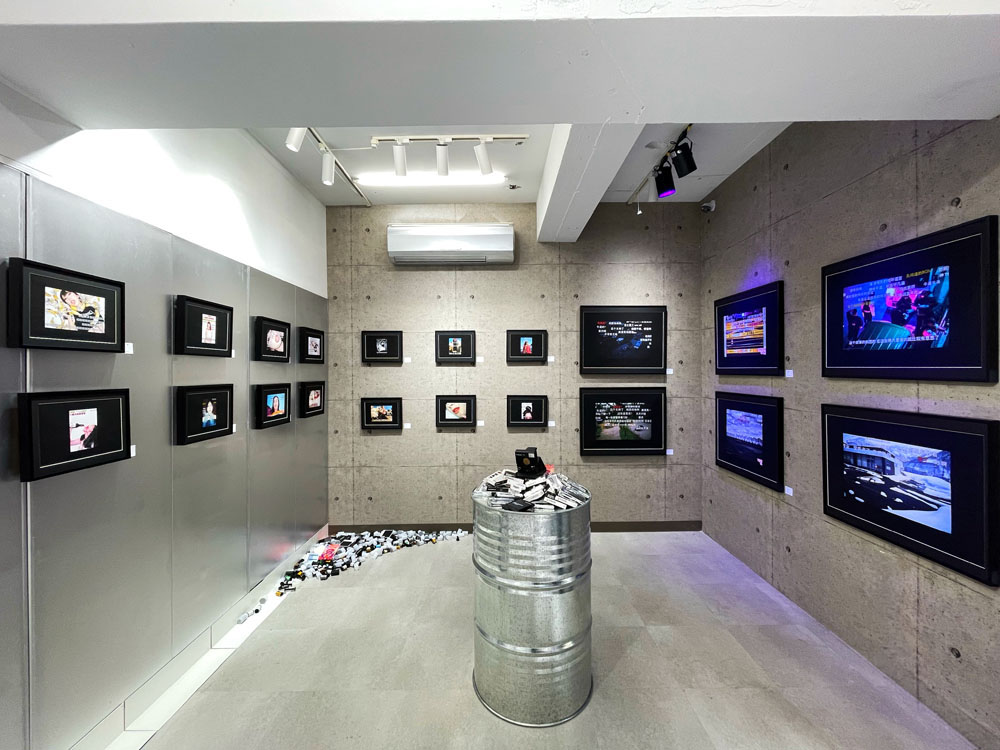
In its early days, Bilibili drew partial inspiration from Niconico, Japan’s anime-focused video site. Their most iconic feature is bullet comments, which allow viewers to post real-time text overlays directly onto the video while watching. These comments scroll across the screen in varying colours, speeds and sizes.
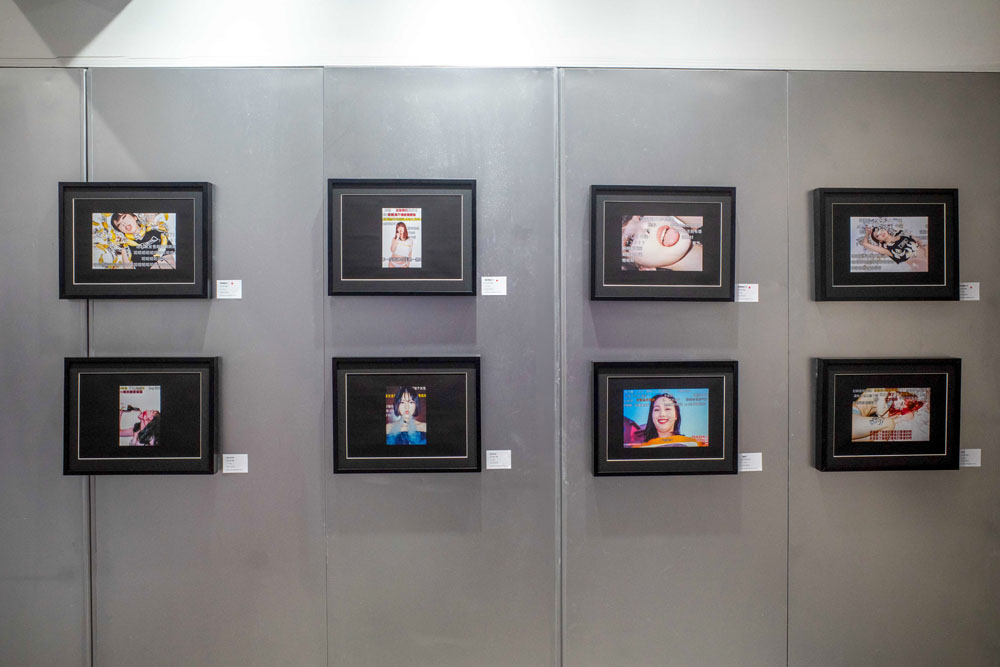
Bullet comments began as a niche subcultural phenomenon in Japan, yet they gained mainstream acceptance in China. Most viewers do not see them as a distraction; instead, they regard bullet comments as an inseparable part of the video. Many even wait until comment sections are flooded before watching a video, feeling little interest in a clean, comment-free version.
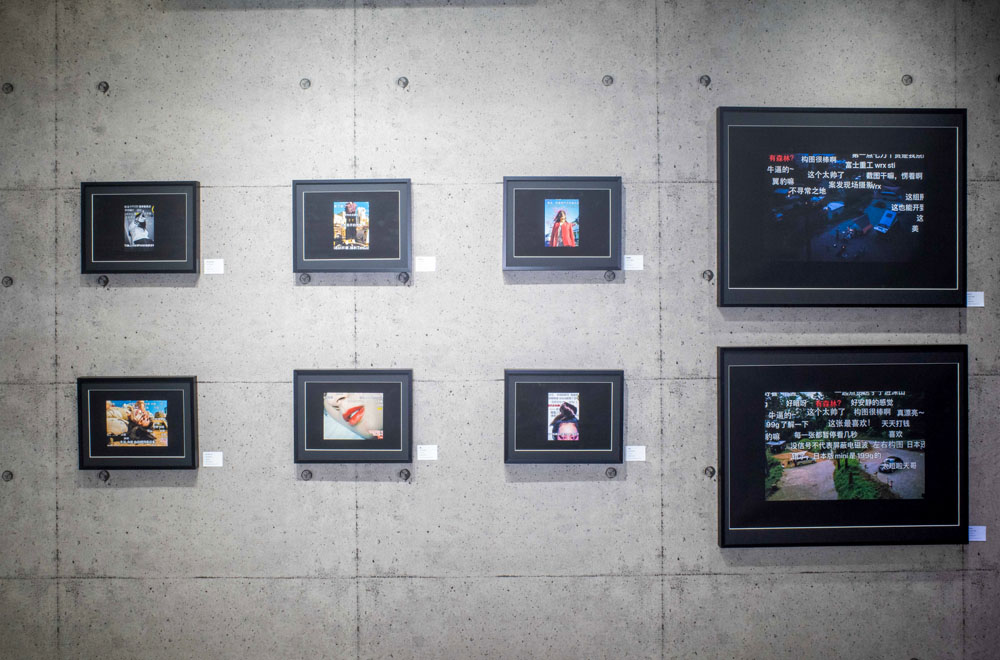
Some bullet comments respond directly to the video content, while others express agreement or disagreement with other viewers’ comments. However, there are strict limits on character count and on-screen duration. As a result, most bullet comments amount to emotional outbursts rather than well-structured, objective critiques. It is also common for comments to linger over unrelated footage, creating a time lag in information.
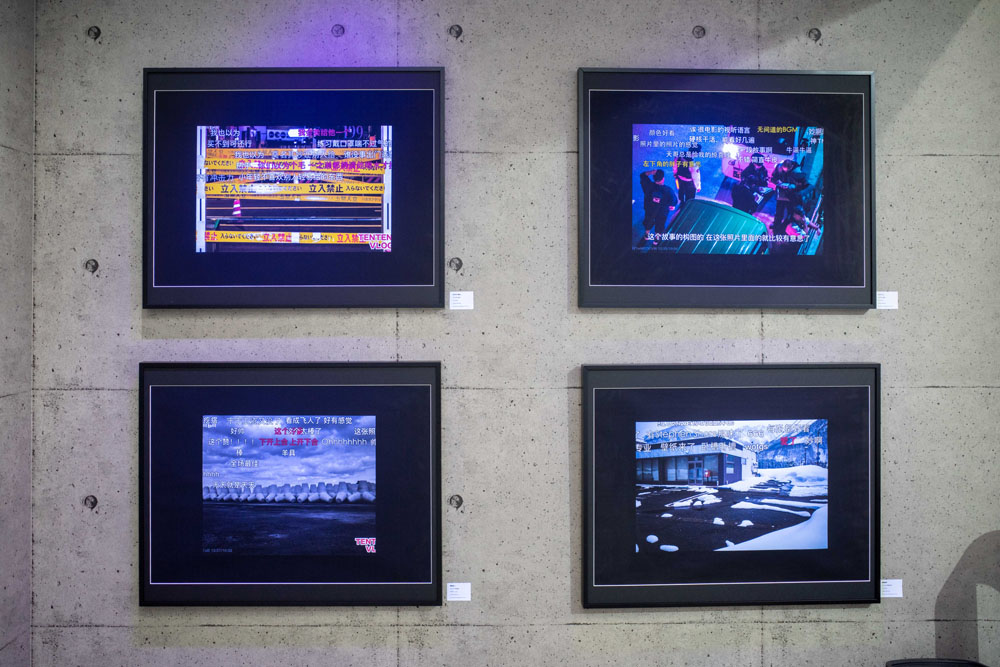
To prevent excessive bullet comments from obscuring the visuals, the platform developed a feature called “comment layering”. Artificial intelligence automatically identifies the main subject, separating it from the background so that bullet comments scroll between the two layers. This unexpected quirk turns flat two-dimensional photographs into pseudo-3D images, a truly surreal effect.
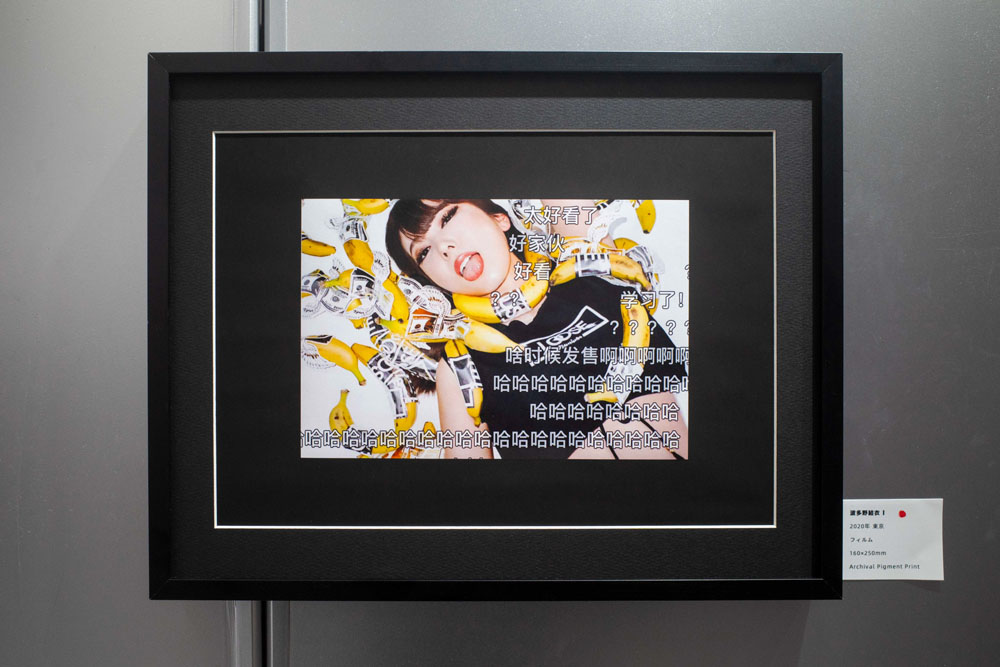
As my channel grew and my audience expanded, my photographs were increasingly covered by these scrolling comments and transformed into 3D visuals. Viewers enthusiastically poured their emotions onto the images, voicing consensus and conflict. Even when the visuals became cluttered, audiences remained captivated, and the original photography itself began to feel secondary. At times, this left me deeply confused as a photographer.
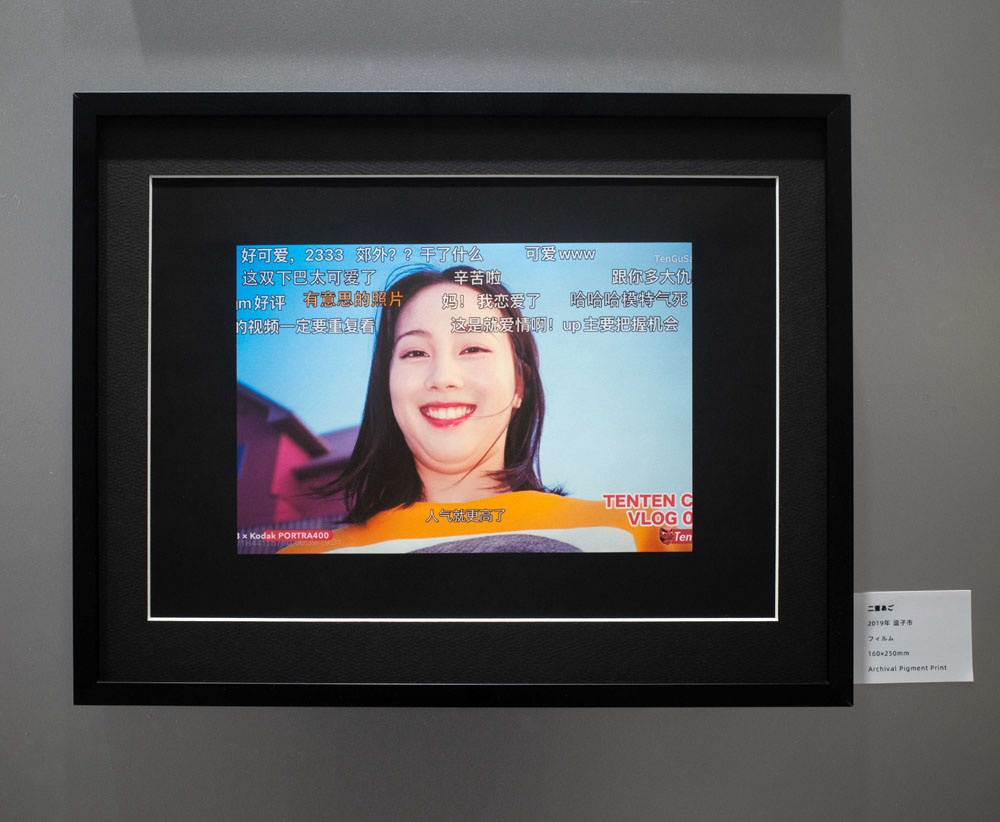
In Japan, serious photography has long been understood as a complete process: conception, shooting, developing, enlarging, editing, mounting and exhibition. The rise of smartphones has completely reshaped how photographs are displayed and consumed. Many photographers now readily turn still images into set-to-music videos and post them online. Modern audiences no longer limit themselves to printed prints, photobooks or properly framed gallery shows. Many people claim to experience the power of photography through a screen smaller than five inches.
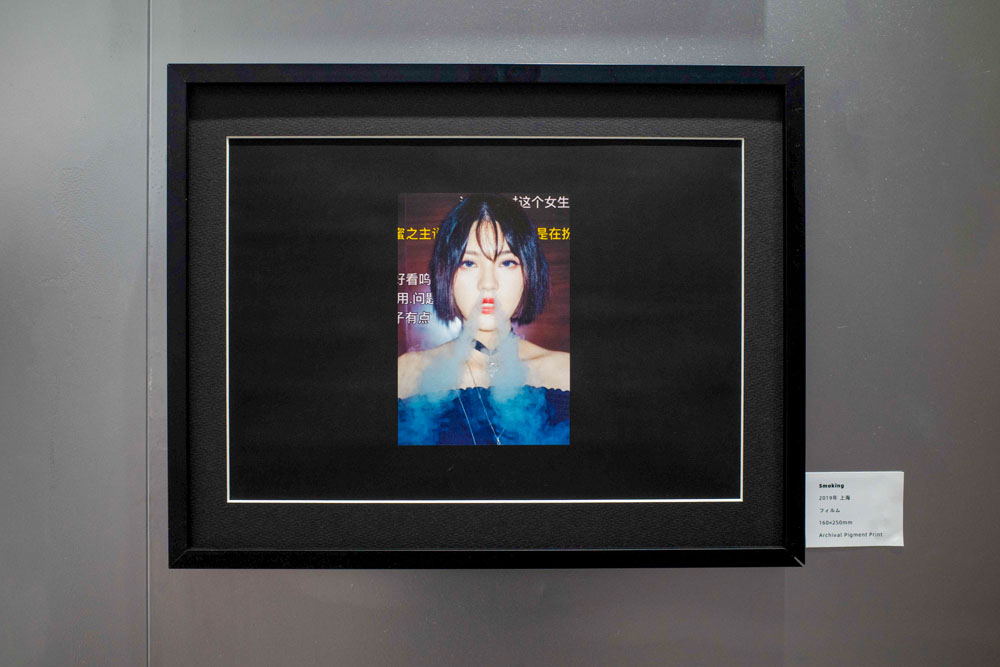
Once, photographic critics and artists jointly shaped each era of photography. Today, every viewer can voice their opinion via bullet comments. To me, bullet comments add nothing of value to the photographs themselves, yet they play a vital role in video platforms and the broader online ecosystem. This appears to be a democratisation and equalisation of speech — a shift that carries particular weight within China.
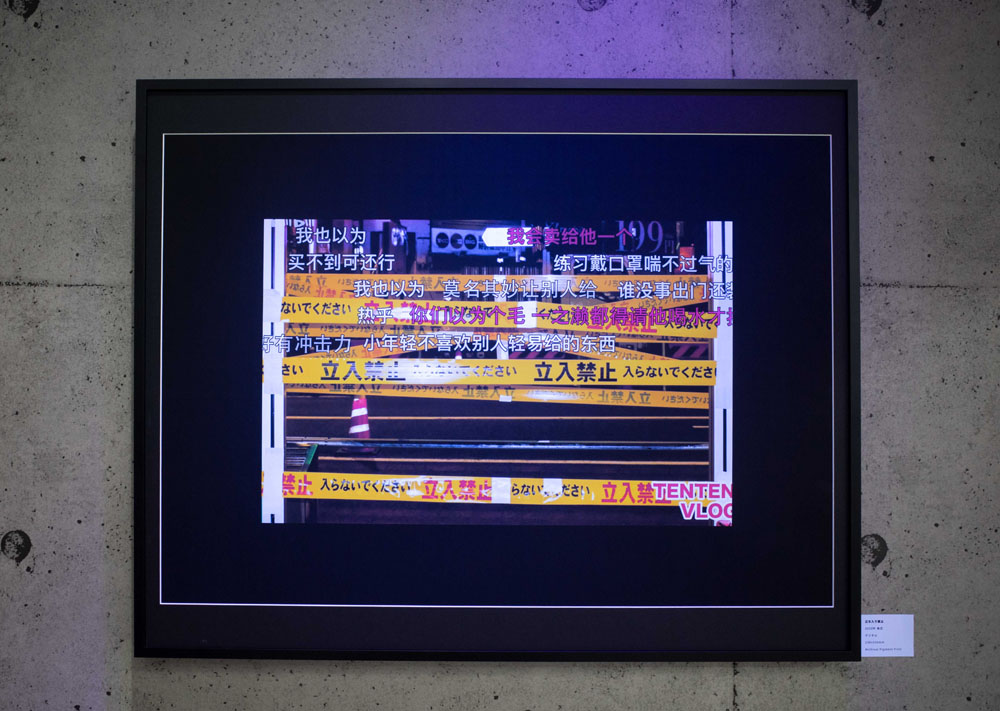
The scene resembles a football stadium with tens of thousands of people shouting at once. Everyone believes that raising their voice will make them heard, yet how much clear, effective communication actually gets through?
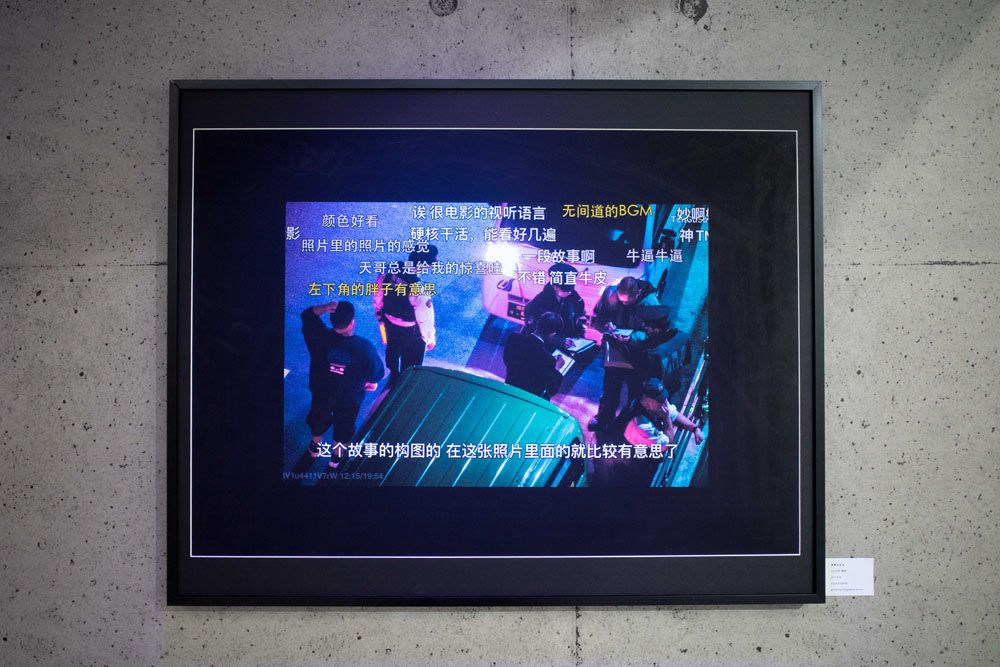
These questions have long preoccupied me and filled me with anxiety, leading me to launch my project Bullet Comments. I selected still frames from my three years of online videos, then had them framed and compiled into a book. In short, I repurposed images originally made for online video and presented them through traditional physical media.
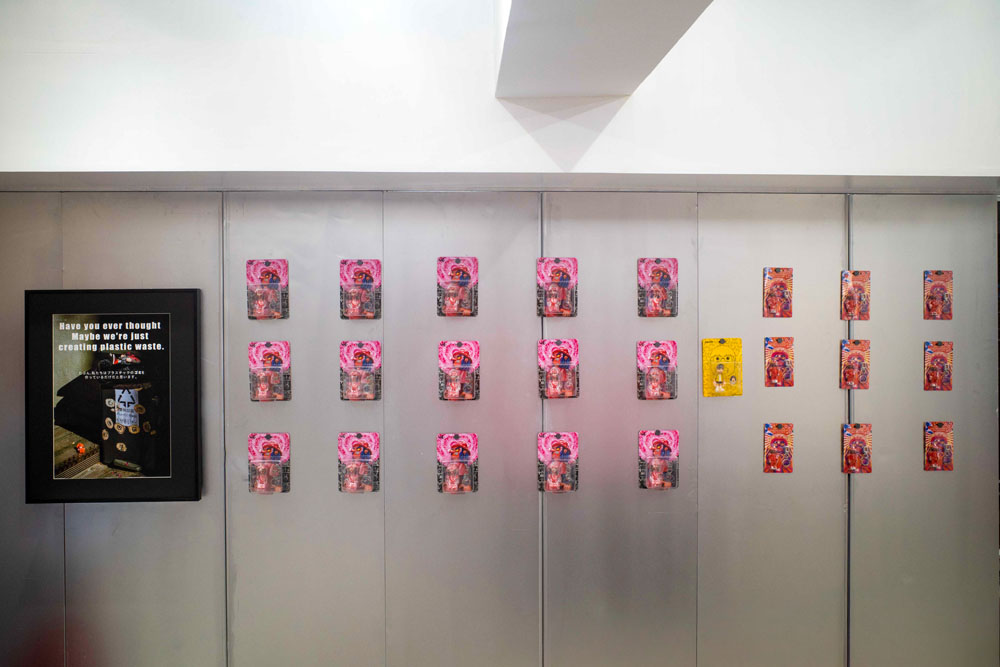
This project may be imperfect, but I would be greatly honoured if it offers even a small spark of inspiration to fellow photographers.